
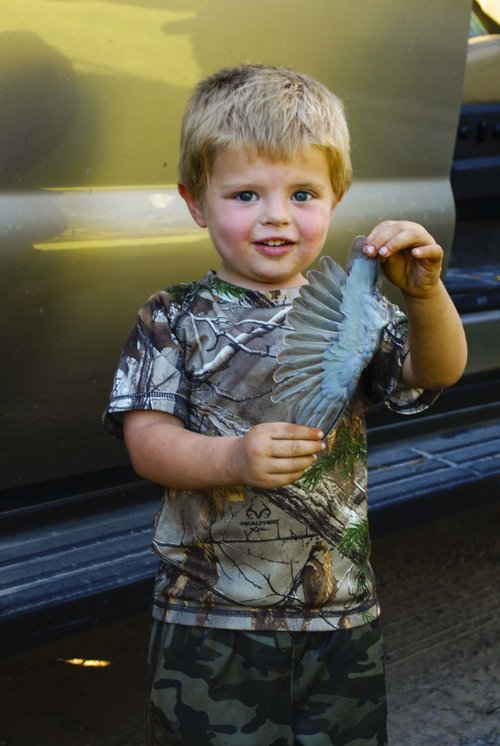
SCDNR-managed public dove fields provide opportunities for public hunting and research, and South Carolina hunters enjoyed some good shooting on public fields during this year’s early season.
Photos by SCDNR field staff
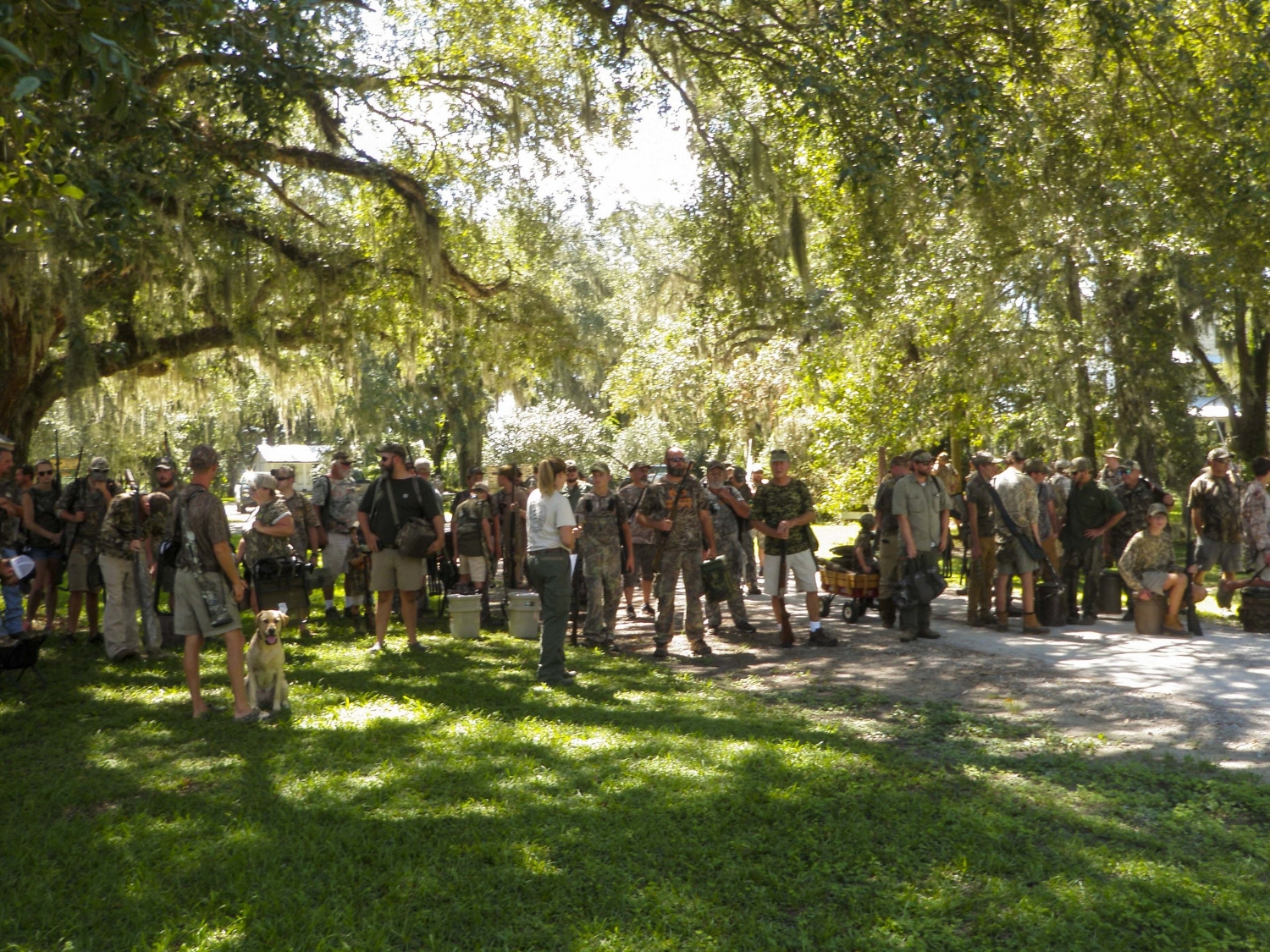
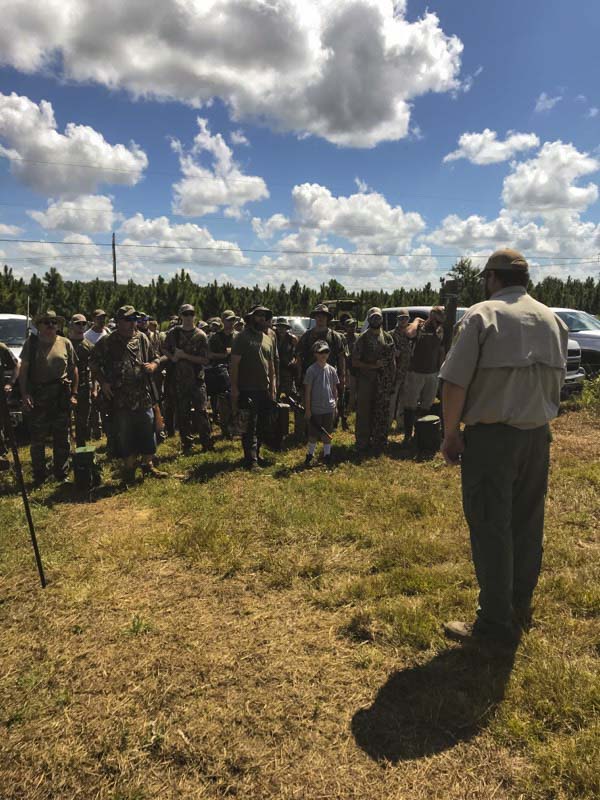
SCDNR Biologist Kayla Brantley conducts a pre-hunt orientation at Samworth WMA.
The first part of South Carolina’s extended three-part season ends tomorrow (October 13), giving those popular gray speed demons a break until the second round of dove hunting begins on November 10. As in other states, dove hunting is incredibly popular in the Palmetto State, with the early season hunts in particular a longstanding tradition that, in terms of the numbers of participants, is right up there with deer hunting in popularity. It’s estimated that about 45,000 dove hunters harvest around 900,000 doves in the Palmetto State annually.
One reason for that, of course, is accessibility. Dove hunting takes some skill to be successful, to be sure, but a shotgun, some shells and maybe a bucket or stool to sit on is really all that’s needed for anyone – young or old – to get into the field and give it a shot. The shooting action on a good dove field has hooked many a new hunter on this sport for life! It’s easy to start, but tough to master.

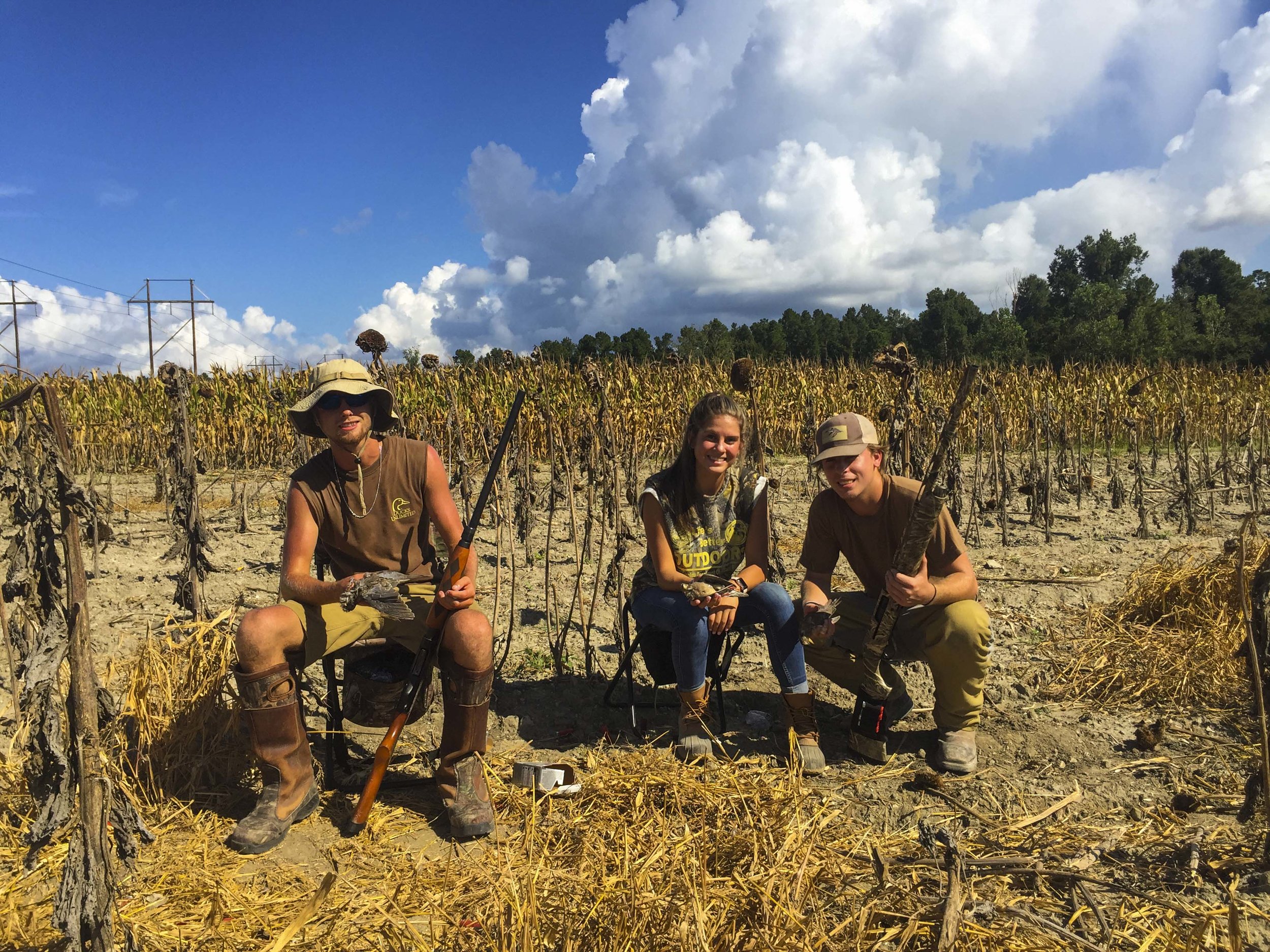
A group of hunters enjoy a successful day on the Canal WMA dove field.
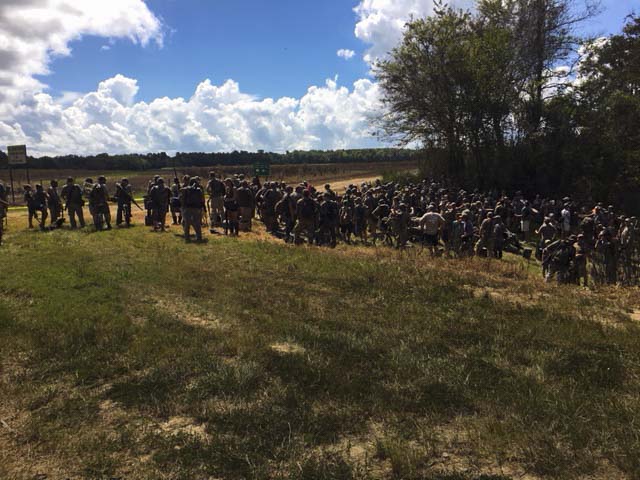
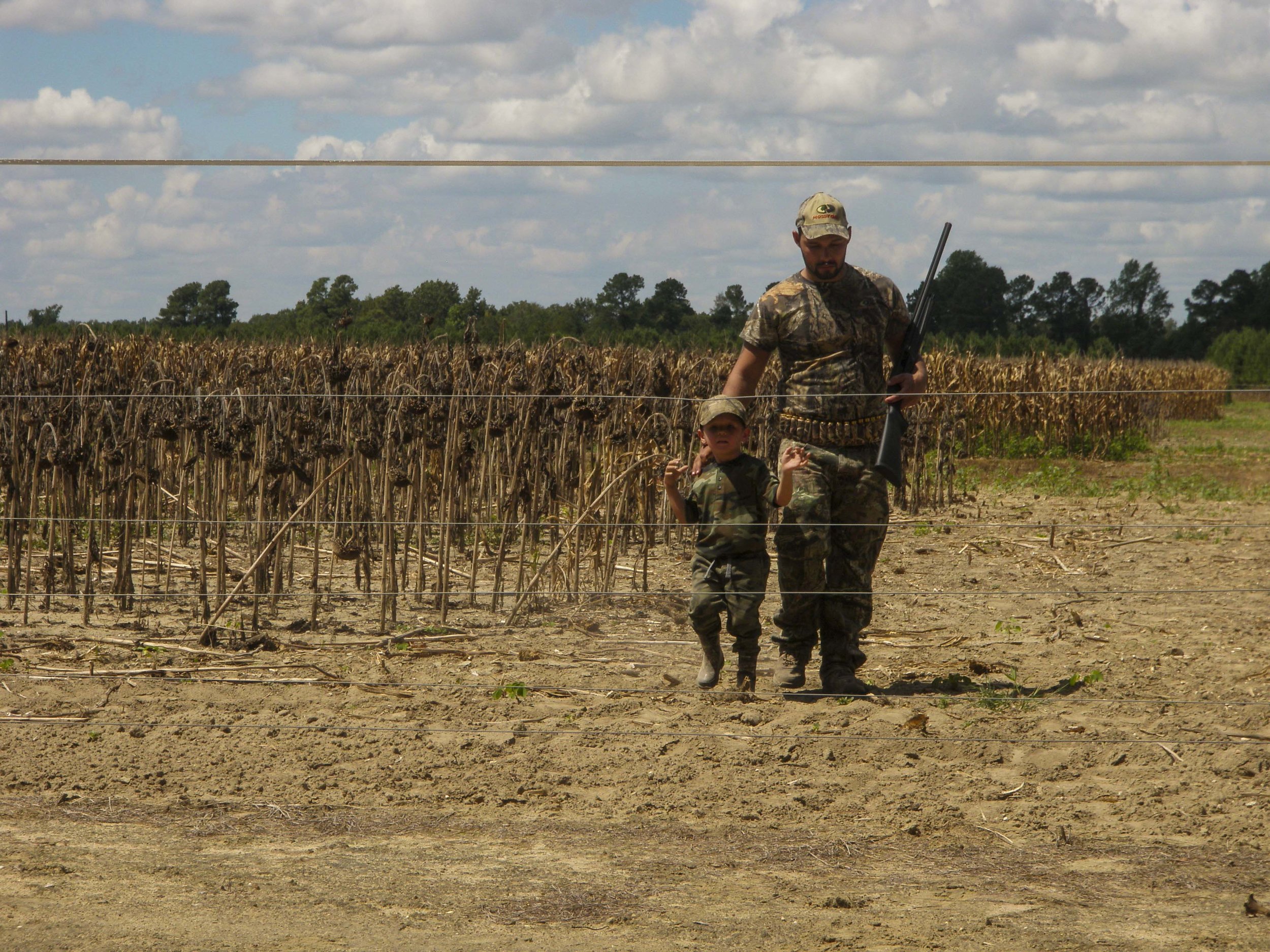
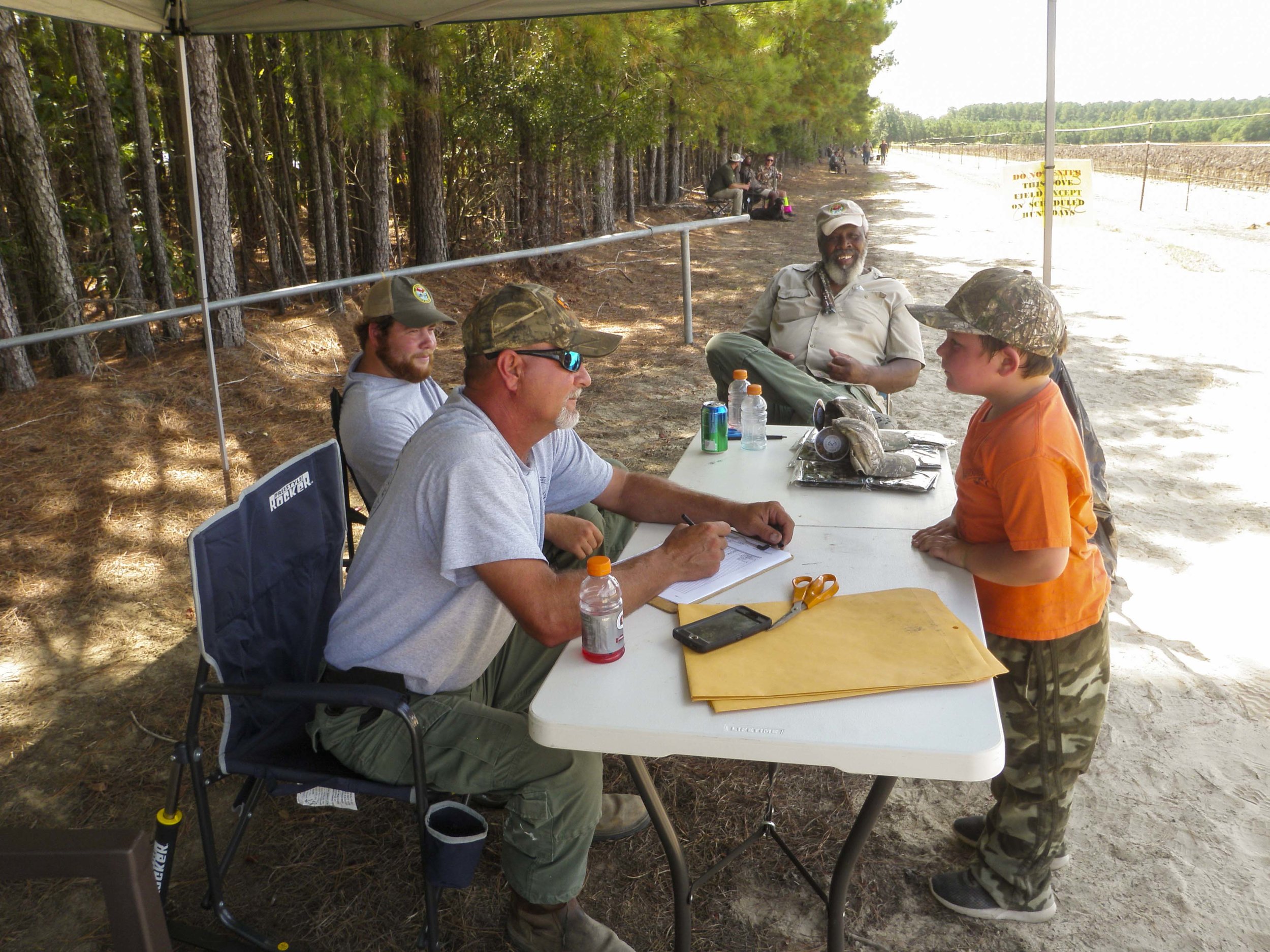
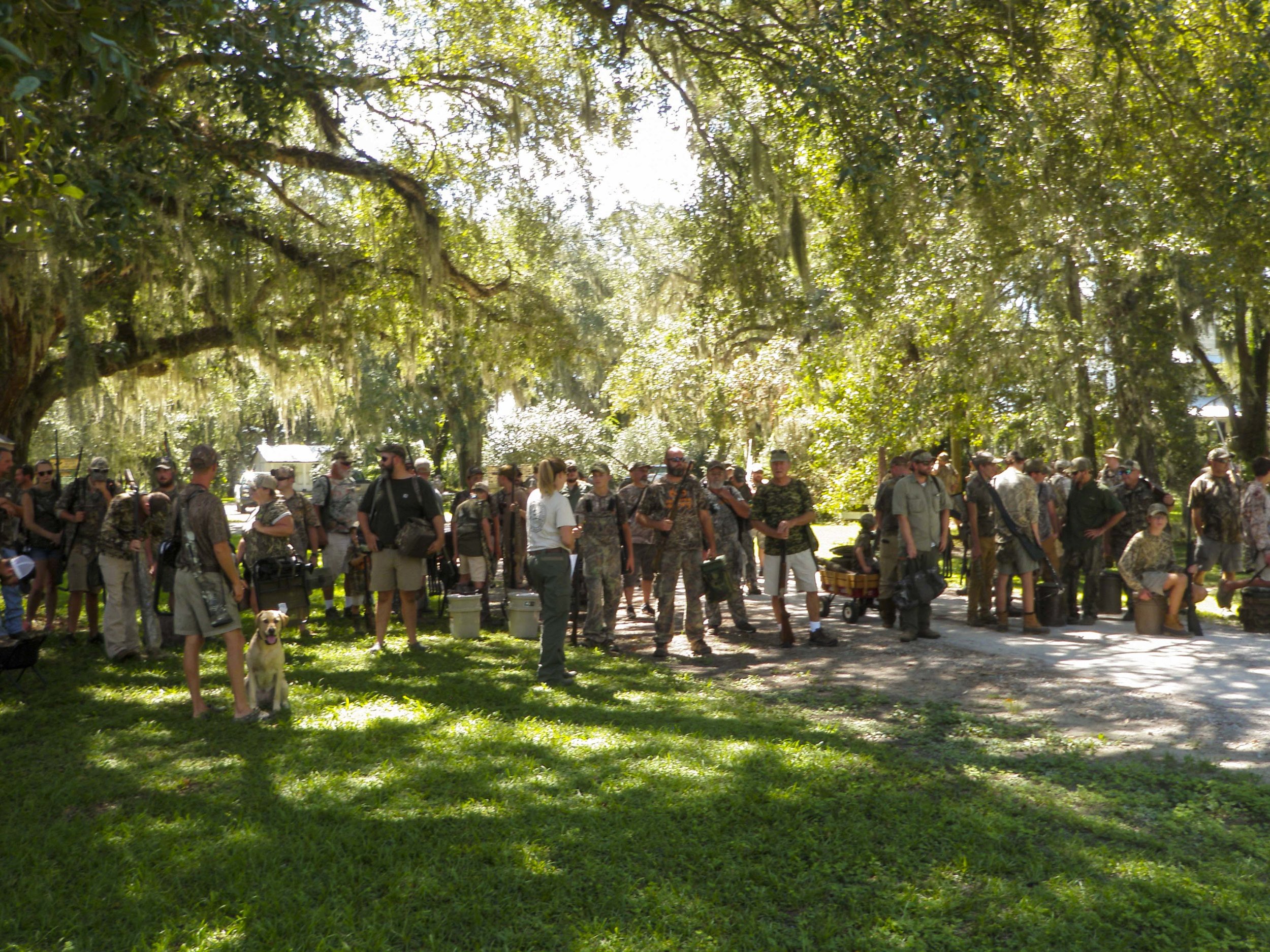
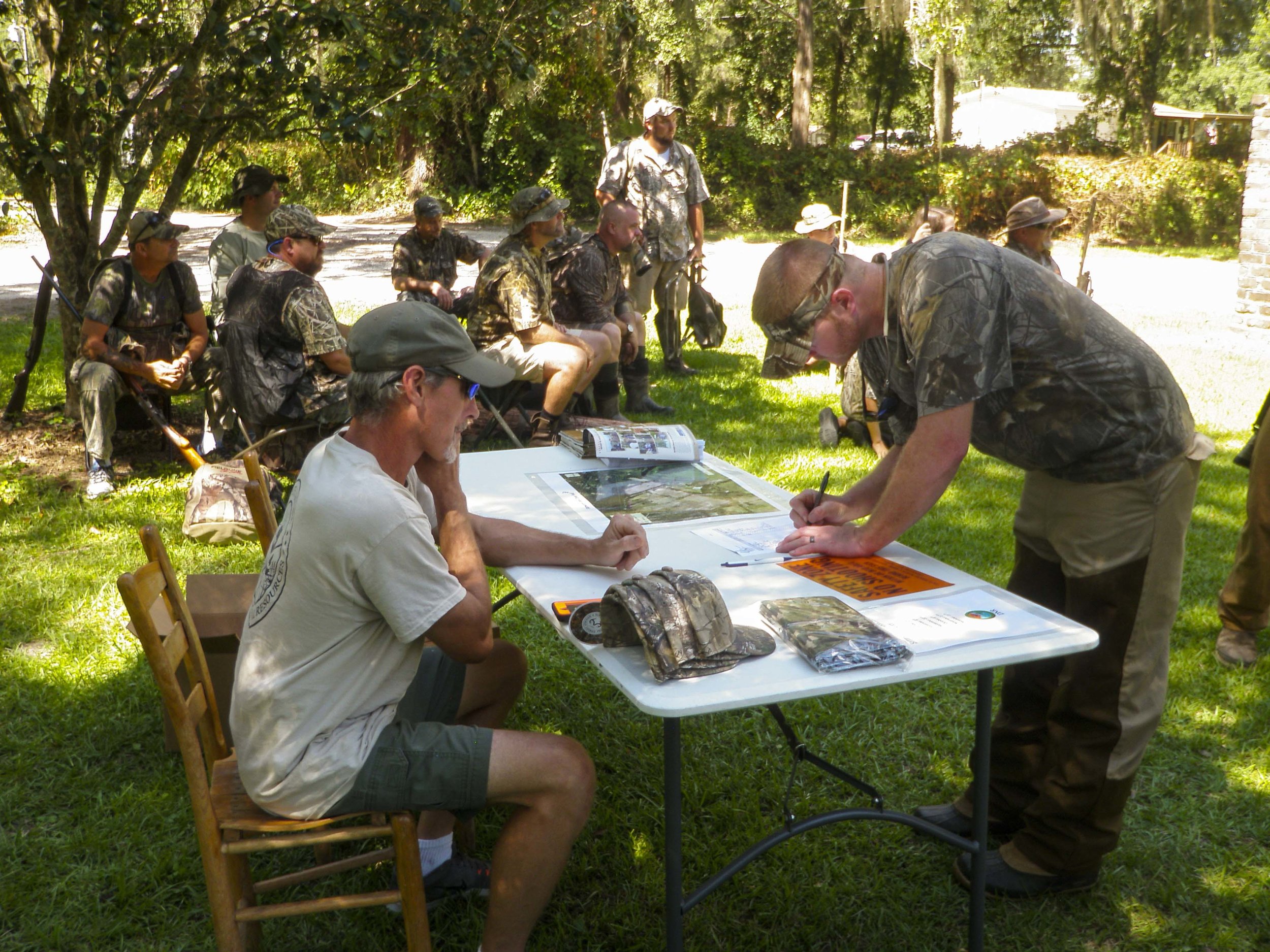
The S.C. Department of Natural Resources (SCDNR) helps thousands of people each dove season – many of them youth hunters – do just that, by preparing and opening to the public about 50 well-managed dove fields around the state that can be utilized on a first-come, first-serve basis by anyone wishing to give dove hunting a try. These fields are typically planted in annual grains such as wheat, millet, corn, sorghum, and sunflowers and are open on specific days for public dove hunting.
View fullsize
View fullsize
View fullsize
View fullsize
View fullsize
View fullsize
View fullsize
View fullsize
View fullsize
View fullsize
#block-yui_3_17_2_1_1539362677752_23742 .sqs-gallery-block-grid .sqs-gallery-design-grid { margin-right: -20px; }
#block-yui_3_17_2_1_1539362677752_23742 .sqs-gallery-block-grid .sqs-gallery-design-grid-slide .margin-wrapper { margin-right: 20px; margin-bottom: 20px; }
Research Efforts

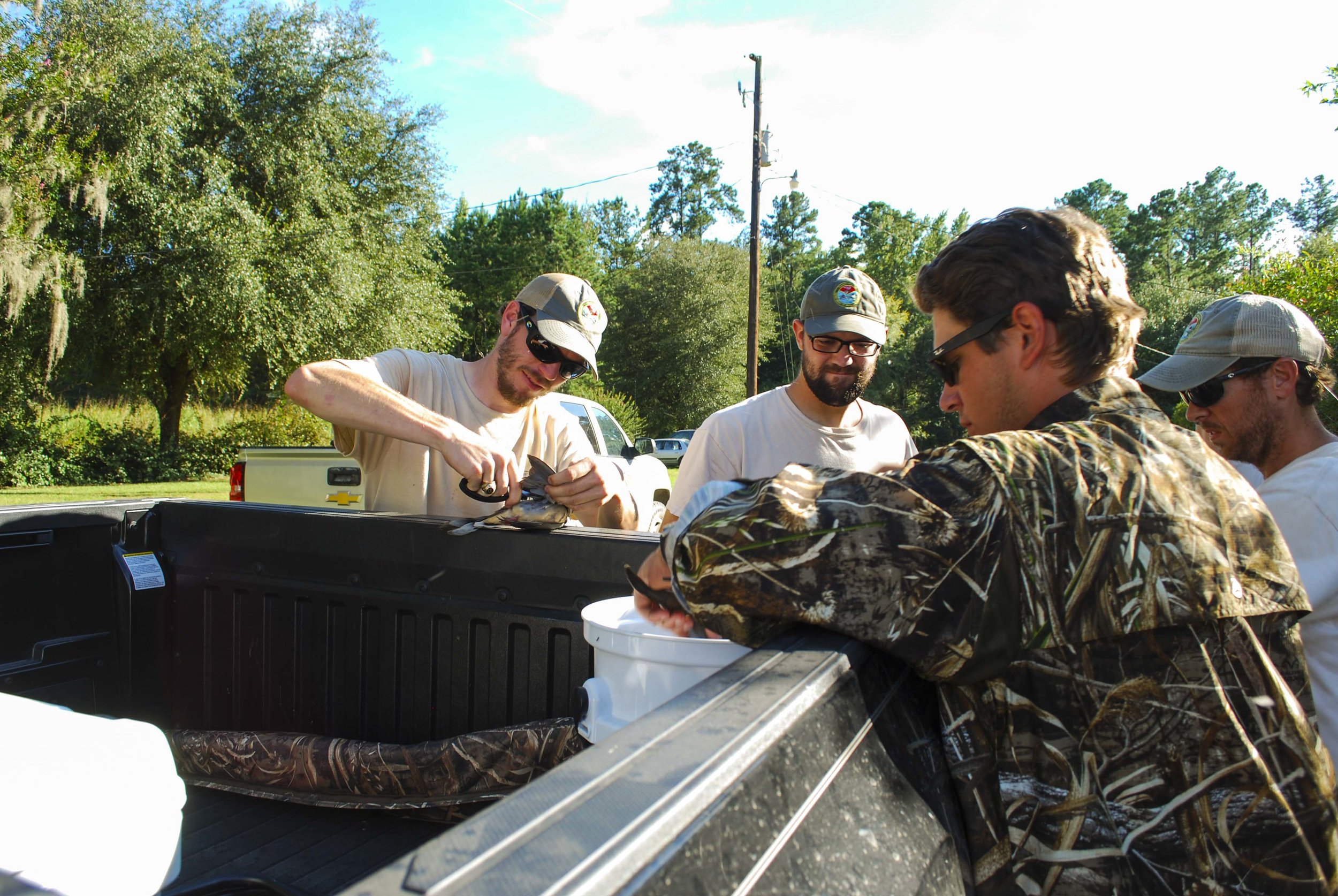
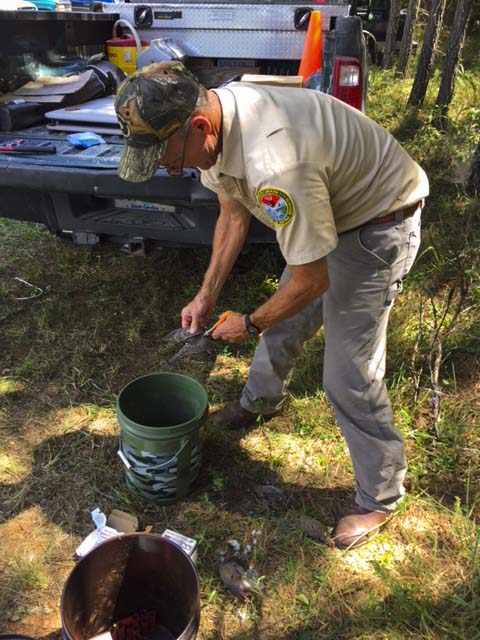
Post-hunt, an SCDNR wildlife technician collects wings for aging purposes at the Webb Wildlife Center.
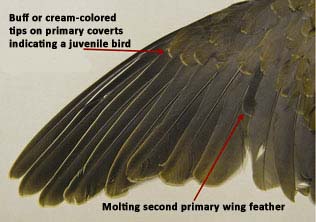
The birds harvested on our public fields are also a key source of data about the ongoing health of dove populations in the Southeast, important bedrock scientific work that the agency’s small game biologists have been involved in for many years. SCDNR biologists and technicians collect wings from many of the birds harvested on our public dove fields, which allows them to judge the age class of the harvested birds. Wings from harvested doves can be used to determine the age ratio of doves in the fall population. This ratio, expressed as the number of juveniles per adult, allows biologists to determine an index to recruitment, or breeding season success, of doves. A high level of recruitment is necessary for mourning doves to maintain stable populations. Along with bird-banding efforts, this harvest data helps keep tabs on the health of the dove population, in South Carolina and in the Southeast.
View fullsize

View fullsize

View fullsize
View fullsize
View fullsize
#block-yui_3_17_2_1_1539362677752_48298 .sqs-gallery-block-grid .sqs-gallery-design-grid { margin-right: -20px; }
#block-yui_3_17_2_1_1539362677752_48298 .sqs-gallery-block-grid .sqs-gallery-design-grid-slide .margin-wrapper { margin-right: 20px; margin-bottom: 20px; }
The SCDNR has been a leader in regional and national mourning dove research and management initiatives for decades. In the 1950s, small game biologists working for the then S.C. Wildlife Commission were involved in the development of the “Mourning Dove Call Count Survey,” which became the standard technique used to assess breeding populations of doves nationally. Subsequent studies investigated the effects of bag limit increases on harvest and survival rates of doves and the effects of September hunting on mourning dove populations. Other studies, conducted in cooperation with Clemson University, have shed new light on how and why dove populations and harvest rates change over time in South Carolina.
FAQs: http://www.dnr.sc.gov/wildlife/dove/index.html#faq
SCDNR PUBLIC FIELDS INFO:
For season dates, bag limits, regulations and a complete list of available fields, visit the SCDNR website at: http://www.dnr.sc.gov/wildlife/dove/fields.html
The following special regulations apply to ALL Wildlife Management Area Public Dove Fields:
Fields are open on a first-come basis. A Wildlife Management Area permit is required for all fields. Please consider the other hunters as well as the landowners whose cooperation makes these fields possible. Signs will be placed along roads directing hunters to the fields. All federal and state laws apply. Fields are open only on days and times indicated. No species other than mourning doves and Eurasian collared doves may be hunted during scheduled dove hunts. Please remove all litter, including spent shell hulls, from fields when leaving!
-
Hunters are limited to 50 shells per hunt
-
Dove hunting on all public fields is “Afternoon Only.” No entry onto fields before noon
-
No shooting after 6:00 p.m. during the first segment of the season (Sept. 1, 2018 – Oct. 13, 2018)
 SCDNR Blog