
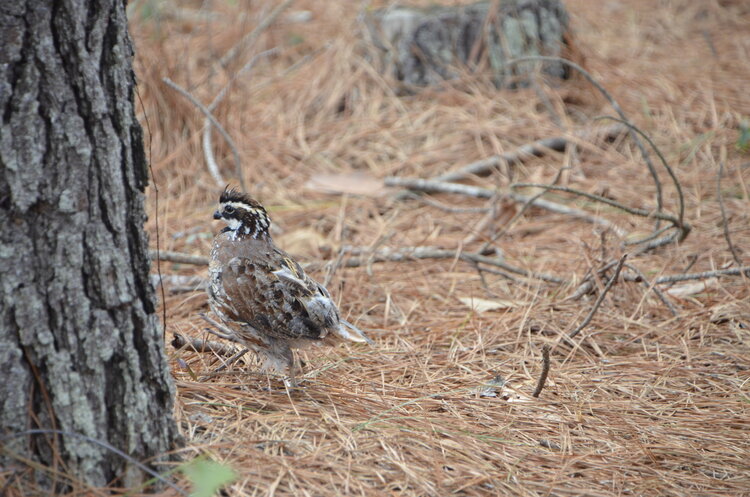
Successful efforts at managing any wildlife species very often entail establishing baseline estimates of that species’ population numbers – just how many of a given animal do biologists think exist in a particular landscape at a given point in time?
by David Lucas

Unfortunately for wildlife biologists, animals don’t reply to questionnaires (though hunters do). In fact, many species are notoriously people-shy, living secretive existences and avoiding contact with humans. Couple that with the fact that some of those same species may be dwindling in numbers, and it quickly becomes apparent how difficult getting an accurate count — even an accurate estimate — can be.
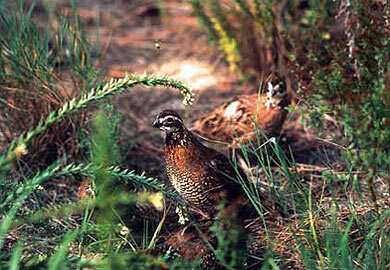
So how do the professional wildlife and fisheries biologists at the S.C. Department of Natural Resources and other research-focused organizations do it? The answer is: by utilizing a wide a variety of methodologies – some extremely high-tech, and others that are more “old-school” tried and true. Let’s start with one of our most storied (and most studied) gamebirds – “Mr. Bob” himself – the bobwhite quail.
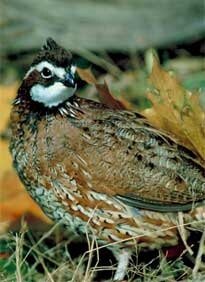
Every year, SCDNR staff and numerous volunteers take to the field to conduct four distinct types of quail surveys at different times of the year that are designed to gauge the health of the bobwhite quail populations, which, unfortunately, have been in decline for decades, both here in South Carolina and across the rest of the Southeast. Since the early 1990s, SCDNR biologists have taken a leadership role in quail research via the Southeastern Quail Study Group and, in more recent years, through the S.C. Bobwhite Initiative (SCBI) a laser-focused effort that aims to bring quail populations in South Carolina back to levels last seen in the 1980s through intensive habitat management strategies on public and private lands in areas where the chances for success are highest.
In SCBI focal areas, the latest numbers are showing a great deal of promise. As SCDNR small game biologist Michael Hook wrote in the Winter/Spring 2019 Edition of the SCBI Newsletter:
“There were 46 more birds recorded in 2019 than were heard on the same routes in 2018, which is an increase of nearly 15%. Unfortunately, we are still down nearly 70% from when we started the survey in 1979, but the last four years have provided a glimmer of hope that we are heading in the right direction. We just have to give the quail and other grassland birds a place to make a home and they will do the rest.”
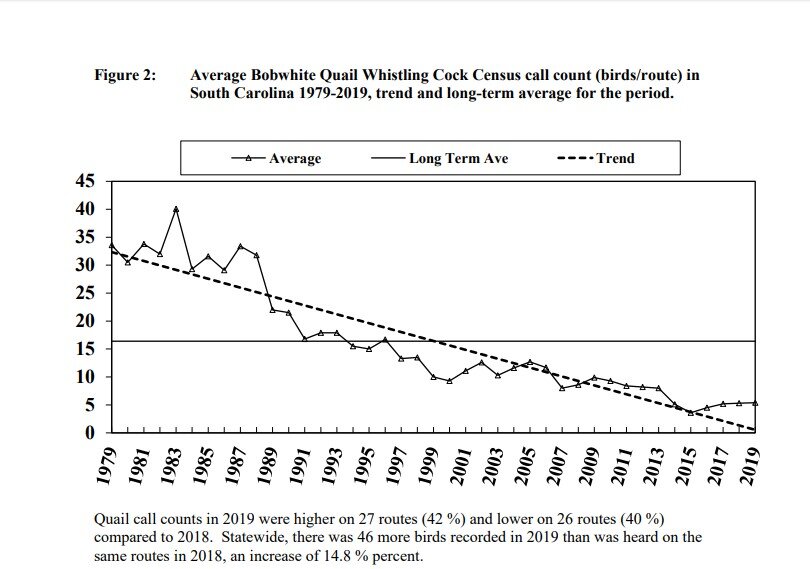
The survey routes in that quote refer to the “Bobwhite Quail Whistling Cock Census,” conducted for the 41st consecutive year in 2019. In recent years, the Census has registered small but significant gains. Whistling Cock Survey data are used in conjunction with Quail Brood Survey data, Quail Hunter Survey data, and Fall Covey Count data to assess the status of wild bobwhite quail populations across regions, as well as the effects of land use change and other factors, such as weather, on the statewide quail population. The reports compiled from these surveys can be found at on the SCDNR website, as can more general information about the bobwhite quail and the SCDNR’s management efforts.
“It’s all a piece of the puzzle,” says Hook, “the data, indexes and trends documented by these counts is foundational to SCDNR strategies for managing quail and other small game populations.”
“While it’s very difficult to say with any degree of certainty a population estimate for the state as a whole,” adds Hook, “the indexes provided by survey methods can provide very reliable estimates at the property level, especially on properties where the surveys are conducted year after year.”
Each type of survey provides a different type of data, and the biologists who watch these numbers are watching closely for trends in the numbers. They want to know if the numbers are stable, increasing or decreasing from year to year. In the case of bobwhite quail, fall covey counts are perhaps the best indicator of the number of birds a surveyed property is carrying going into the season, and hence are of particular interest to hunters and the folks who manage hunted properties, says Hook. “A lot can happen to a quail between March and November.”
When hunting season ends, DNR biologists began compiling data from reports of banded birds and from hunter participation surveys. These data points are extremely important, as they can provide a confirmation of the indexes from earlier in the year. For example, if brood survey and covey count indexes were strong going into the season, generally speaking, biologists would expect hunter success numbers to reflect that (though weather and other factors can also impact hunter success over our relatively long season). Ultimately, the census and counting strategies employed by SCDNR biologists and other land managers will be the yardstick used to measure the success of efforts to “bring back the whistle.”
[Note: In subsequent “Counting Critters” articles, we’ll be taking a look at the survey and other methods being used by SCDNR biologists to estimate populations of other large- and small-game species, as well as non-game species such as alligators, hawks and eagles, shorebirds, sea turtles, red-cockaded woodpeckers, sturgeon and more, so stay tuned in to the SC Natural Resources Blog.]
***
Sign up to get notifications about new articles on the SCNR Blog, as well as other news and information from the S.C. Department of Natural Resources’ Office of Media & Outreach sent directly to your e-mail inbox by visiting our home-page www.dnr.sc.gov and filling out a quick and easy sign-up form (see below) or by visiting: https://public.govdelivery.com/accounts/SCDNR/subscriber/new.
 SCDNR Blog