
by Emily Anne Harris
For as long as I can remember, I’ve felt drawn to history and have been in pursuit of tangible ways to connect it with my own life. When it came time to look for a summer research project as required by my high school, the South Carolina Governor’s School for Science and Mathematics, I knew I wanted it to revolve around my love of the past. I applied and was accepted to the SCDNR Heritage Trust Program’s archaeology internship for high school and college students. In ordinary circumstances, the other interns and I would be working from the Parker Annex Archaeology Center, but due to constraints from COVID-19, we’re lucky enough to bring 19th-century artifacts into our own homes.
So, how do you conduct archaeology research from inside your own home? My internship started off by going to the Parker Annex Lab to pick up a heavy box of sandbags, each filled with dirt-covered oyster shells and artifacts.


These items of the past are from a duplex home that has been previously excavated on the Fort Frederick Heritage Preserve.
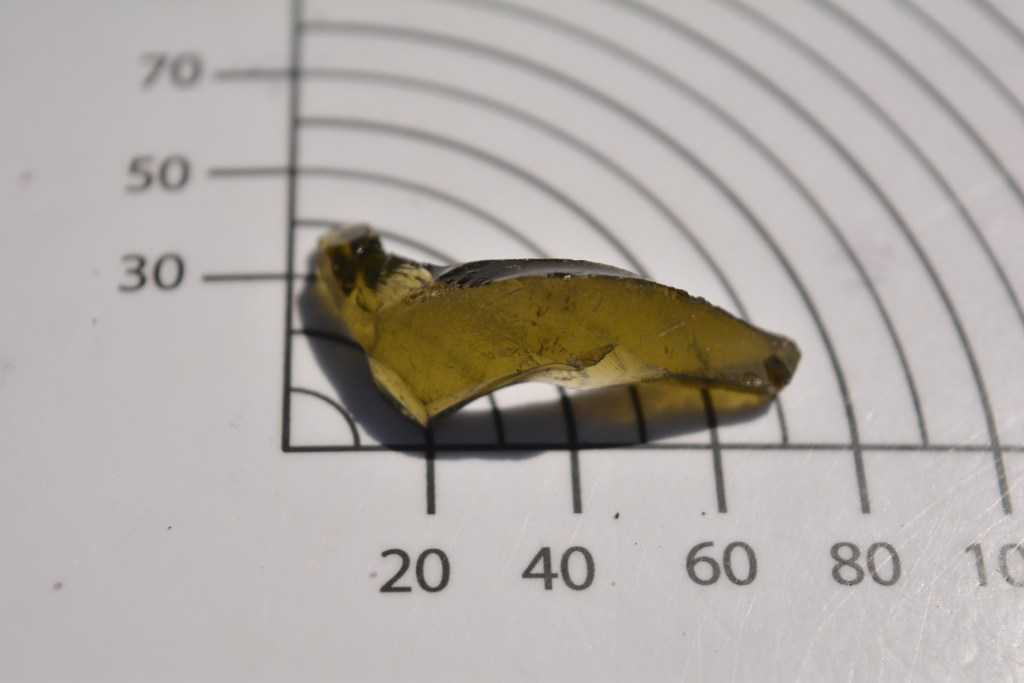
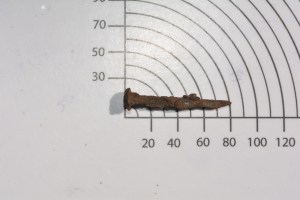
My next step was to take these back to my house where I set up a makeshift lab. Here, I clean, dry, and sort the artifacts. Among the bountiful oyster shells, I’ve found plenty of interesting artifacts! Some of the most common are ceramics, nails, glass, brick, and tabby (a concrete made with oyster shells). I have also seen the odd pipe stem and animal bone. Learn more about making tabby here .
My favorite things to find are sherds of pottery.


On our first day of the internship, we attended a virtual workshop where we learned how to distinguish the types of ceramics, such as coarse earthenware, porcelain, and refined earthenware, which is the most common type to see on this site.
It’s been really interesting to research a sherd: determining what type of ceramic it is and even attempting to date it with an online database.

Despite having to isolate during the pandemic, not all of our work is individual. In fact, we have frequent video meetings led by guest speakers from a variety of backgrounds and careers that all pertain to archaeology in some way. Beforehand, I had no clue that so many of these careers could relate to the field of archaeology. For example, we learned about photography and videography and how important they are to document the excavation of a site.
With my strong interest in history, I particularly enjoyed hearing about the tasks of being a curator in the South Carolina State Museum that include research, writing, and designing exhibits.
This internship has been an incredibly rewarding experience and is something I would have never thought could be accomplished during a global pandemic. I’ve gained insight about archaeology work and even careers beyond this field. Analyzing, in my own home, artifacts once used in a home well over a century ago has been an interesting and unique way of spending a summer in quarantine.
 SCDNR Blog