
by Lelia Rice
In mid-March of 2020, COVID-19 took over the United States and caused schools to shut down in-person teaching, switch to online and changed the way public institutions functioned. Museums closed down, archaeological field schools postponed or canceled and many people were wondering what their careers would look like in the future.
As a May 2020 graduate of the University of South Carolina with a degree in Anthropology and History, I have hopes of working in museums or with other heritage institutions. With institutions closing all around the country, I was extremely lucky to be able to get the opportunity to intern even virtually with the SCDNR Heritage Trust.
Last year I was also a summer archaeology intern and it was one the best experiences I have had. The field trips, lab experience and the friends I made created an educational experience I will never forget.
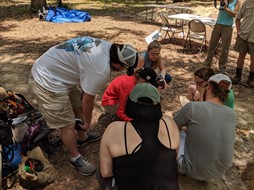
I was so thankful to be able to receive this internship once again as a college graduate, and I was curious about how this would work being fully virtual (aside from the artifact pick-ups and drop-offs).

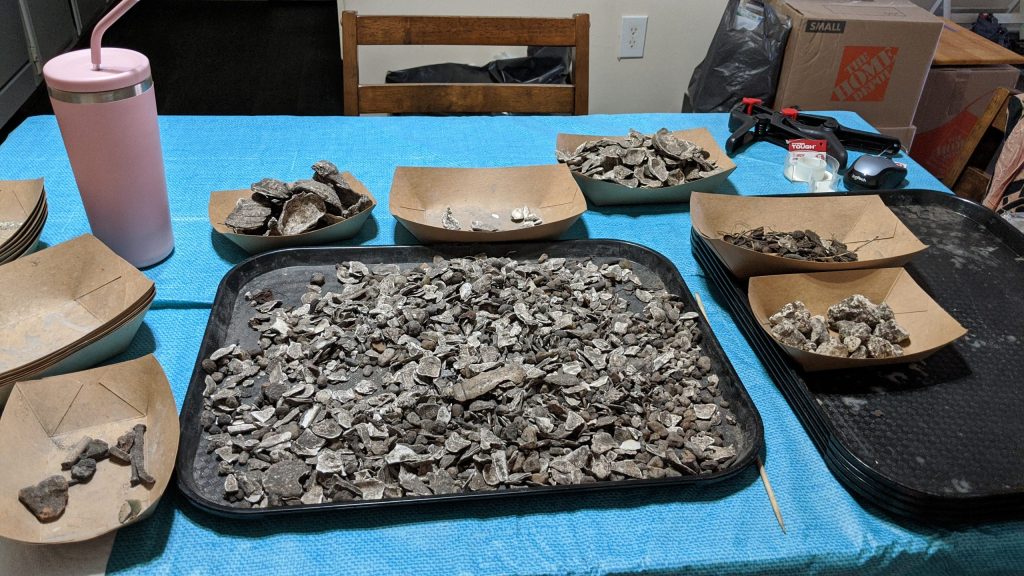
This summer we did online workshops and crafted at-home DIY archaeology labs within our homes. I lived in a small Columbia apartment during the internship term, so I had very little room to construct the at-home lab I wanted. I could only work in the living room on a 3 ½ foot by 4 foot dining table, and with just enough room to store one box at a time I had to dump the dirty water out on the small patio attached to my apartment.

My drying racks consisted of placing fry baskets used to sort and dry artifacts on the artifact box, my roommate’s truck, a ladder bookcase and a moving box on the floor. Interns were assigned at least one box of artifacts and at most four to wash and sort, depending on the space each intern had available in their homes. Due to my limited space I was assigned one box, which I believed I would finish easily since I had done similar work before but then the space of my apartment had other ideas for my progress. This was quite a different experience from what the internship was like last year, especially in regard to the lab atmosphere.
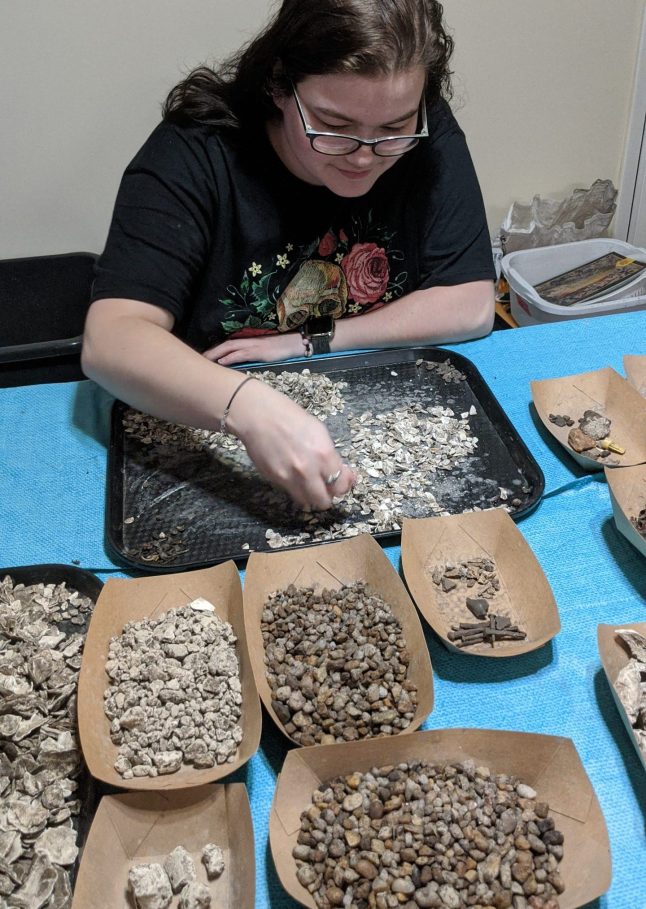
The lab is an integral part of the archaeological process, since that is where we spend the most time between washing, sorting and analyzing artifacts found in the field. This year working in our at-homes labs changed the conversations I was used to having about the objects over a table in the Parker Annex lab to being over Microsoft Teams. That does not mean the experience was hindered by being online, the staff at SCDNR made themselves as available as possible and gladly helped in identifying artifacts via chat. The staff were still able to provide guest speakers and experts to speak with us about aspects of archaeology and heritage management. It was still a valued learning experience for me, and it gave me a look at how the world might be different over the next year or so due to the changes COVID-19 has caused.
 SCDNR Blog