
Guest post by SCDNR biologist and saltwater angler outreach coordinator, Matt Perkinson
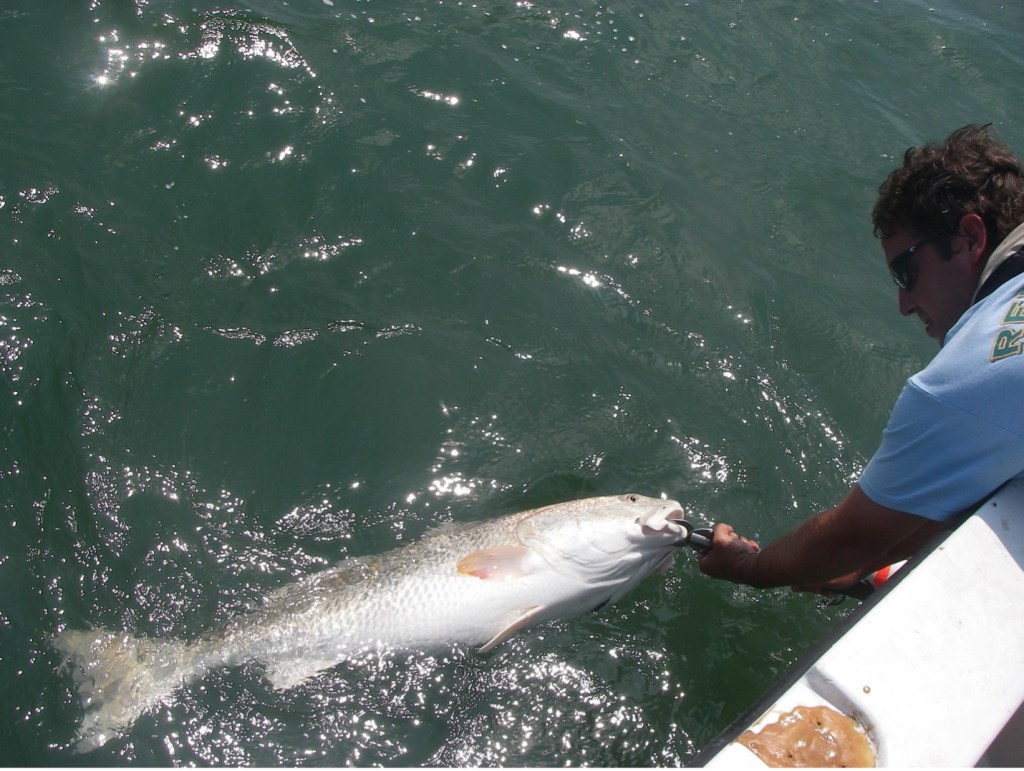
As we enter September, the fishery for adult “bull” red drum is in full swing in open water locations like Winyah Bay, Charleston Harbor and Port Royal Sound. These big fish can be found at other times of the year, but they are schooled up inside our inlets in August and September for one main reason: spawning. Red drum are the number one target of saltwater anglers in South Carolina, and successful spawning efforts drive the health of the fishery – from 15-inch juveniles in our creeks to bruiser 30-pounders at our jetties.
I’m an angler, and I love to fish as much as my wife and kids will tolerate. The reality is that I’m not alone – there are a lot of us on the water these days. The increase in catch and release fishing is a huge success story, and without the changes in angler ethics that have occurred up to this point, we wouldn’t likely have a fishery at all.
Still, more anglers mean more fish encountered, and that has an impact on the population whether fish are kept or not. Because we don’t have a lot of control over the wind, rainfall, and other conditions that help determine whether we have a successful spawning season each year, we must take a conservative approach and focus on the factors we can control. That makes it even more important that we’re strategic about how and when we fish to protect our investment in red drum into the future.
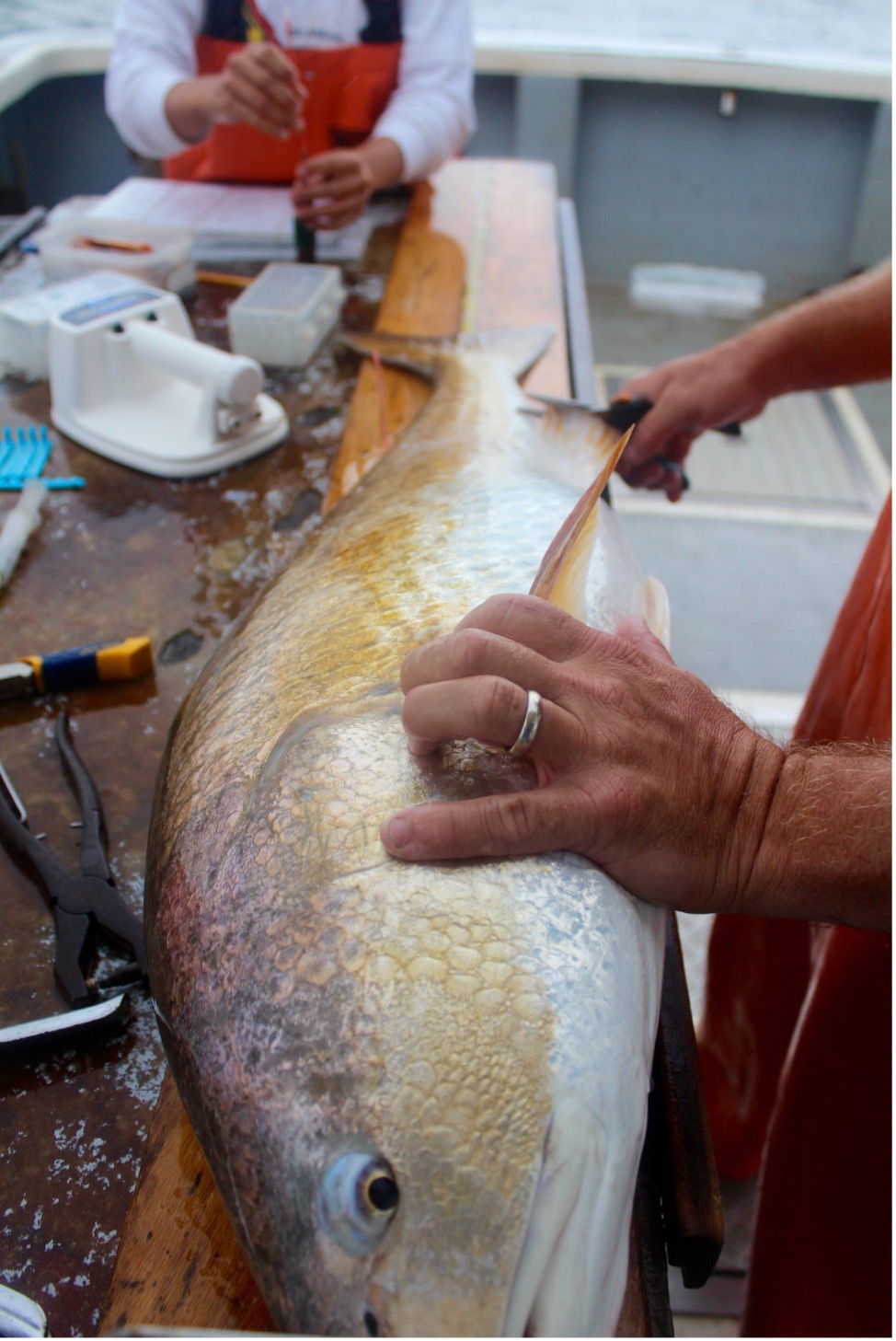
The red drum fishery is a tale of two stages. In their first three to five years of life, juvenile red drum spend most of their time roving along our salt marsh edges and oyster bars chasing crabs, small fish and shrimp while trying to stay away from hungry dolphin and other predators. When they reach adulthood, those patterns shift. They tend to spend way more time in the open ocean with other big drum. When they are found inshore, they’re in big-water environments like the mouths of our inlets and other open areas. When they gather in these spots, they’re understandably irresistible to local anglers and tourists alike. They’re big and strong, fight hard and can be caught by both experts and beginners. South Carolina’s adult red drum can reach over 50 pounds and, for many, will be the largest fish they ever catch.
A “Bull” doesn’t necessarily mean a male fish; it refers to adult red drum bigger than about 36 inches, give or take.
Their popularity also raises some major concerns. Anyone who has fished in coastal South Carolina for a few decades has seen its evolution. What used to be a popular, if somewhat niche, fishery has exploded. Cruise Charleston Harbor or Winyah Bay on a nice day in September and you’ll see what I mean – an armada of center consoles clustered in place, fishing for big drum. The most well-known locations still hold fish, but they ebb and flow in popularity depending on when the drum show and how long they stay there. Other “new” locations pop up from time to time when anglers find schools of fish outside those well-known hangouts. In the age of internet fishing info and easier anchoring with “spot-lock” trolling motors, these new locations don’t stay quiet for long. As with any species, more angling effort means more pressure on the fishery – and even more so when we’re talking about a spawning group.
If you’ve been around me or other SCDNR biologists, you’ve no doubt heard us talk about “best fishing practices.” These are the actions you can do to reduce harm to a fish that you’re planning to release and, with the increase in the number of fish caught each year, these actions are more critical than ever.
Universal Best Practices for Fish Handling
- Reduce the time the fish spends out of water. Thirty seconds or less is best.
- Support fish horizontally and never hang them by the lip.
- Use a rubber-coated landing net, wet hands, and keep hands away from the gills.
- If you see shark activity in the area, move somewhere else.
Most of the conversation around best fishing practices revolves around the concept of reducing “post-release mortality” or the number of fish that are released but ultimately succumb to exhaustion, injury, or predation related to their run in with anglers. For adult red drum, reducing that mortality is critical. Every fish that dies after a fight is one less available to the breeding pool.
Best practices include using a short-leader/fixed weight rig for natural baits that will reduce the chance of gut hooking (see image), shortening fight time, and most importantly, reducing the amount of time that a fish spends out of water. It’s way more important to get fish back in the water (or keep them there) than to get that staged hero shot of two or three big drum for social media. If you’re catching fish in deep water (say 50 feet or deeper), look for the signs of barotrauma, or the expansion of gasses in the fish, and descend them when needed. If there’s shark activity in the area, move to another spot to reduce the chance of predation.
Reducing mortality is just part of the picture, though. Adult red drum are tough fish – they’re built like tanks, and unlike seatrout, mackerel, and other less hardy species, they’re plated with thick scales to protect their body. Recent SCDNR research has indicated that adult red drum caught and released after a reasonable amount of handling are highly likely to survive.

For many big red drum, the question isn’t only whether it survived an encounter with an angler, but how did that encounter alter its function and behavior? For a fish caught during the spawning season on its spawning grounds, that extra handling can have a negative impact on its ability to reproduce. Physically, stressed fish sometimes produce less eggs or eggs that are smaller or of lesser quality. Behaviorally, fish that are pressured can sometimes be displaced from their normal locations and may forgo spawning altogether. Electronic tagging research at SCDNR has shown that even when big drum survive catch and release, they can act erratically for days afterwards. Changes to behavior and reproductive capability following handling have been seen in many species of fish throughout the world.
The purpose of this missive isn’t to shame anyone or tell anglers to not ever fish for big drum. It’s to educate and remind everyone to keep the big picture in mind – spawning is the reason these fish are gathering and late July through September is prime spawning time. The eggs and larvae produced by these big drum need conditions to be just right for survival. Tides, winds, salinity, temperature all affect how many eggs hatch, settle out in our marsh nursery areas and survive their critical first few days. In some years, that ideal combination of conditions happens frequently during the spawning season.
In other years, ideal spawning conditions may be rare. Having a steady supply of good quality eggs and larvae makes it more likely that the timing will align to produce a bumper crop of new fingerlings this fall. This year’s fingerlings will hit 15 inches by next fall, 22 inches the following fall and eventually make their way into the adult population to spawn themselves.
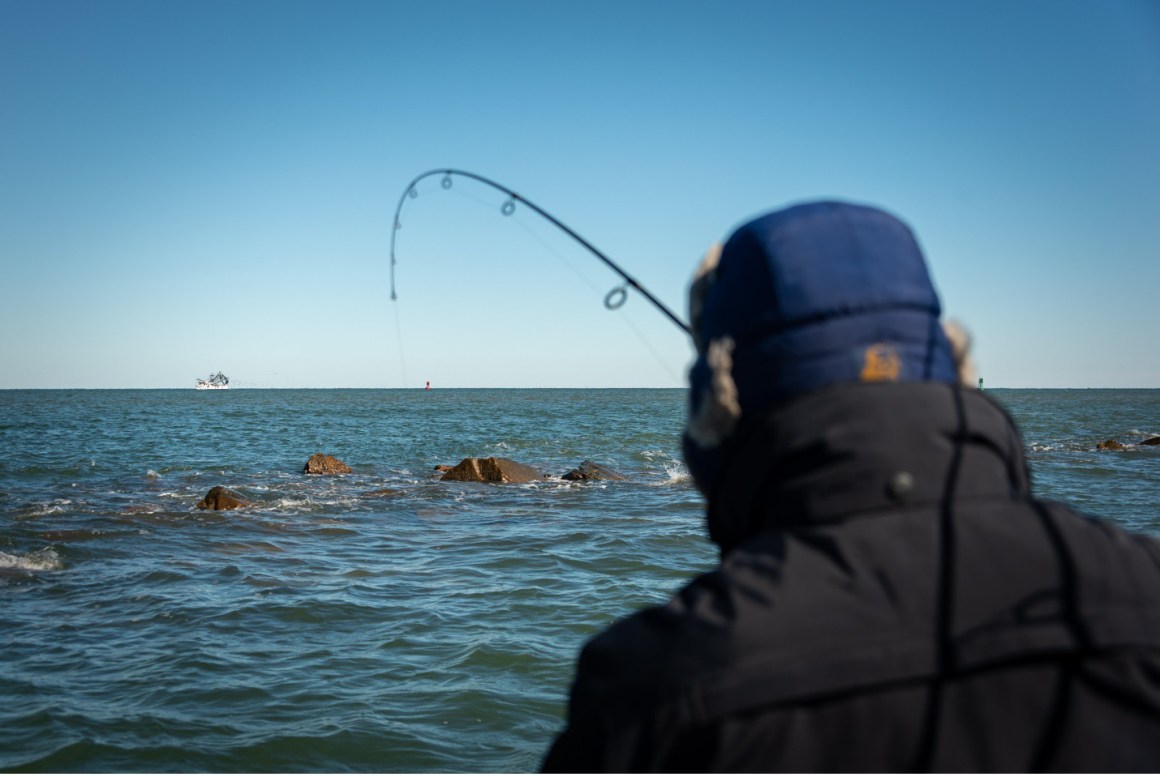
So, what’s an angler to do? First off, follow those best practices I mentioned earlier; the same things that reduce the chance of outright death in a fish reduce the chance of other negative impacts as well. In fact, you should follow best practices like reducing handling and time out of water for every species-these are universal concepts.
Beyond that, consider how and when you fish. Say you’re on a good bite for adult drum and everyone’s had a turn at landing a big one – do you really need to catch another 12, or could you move on to something different to reduce your pressure on the school? Choosing when to fish is just as important. Spawning peaks in August and September, when water temperatures are highest, shark activity is at a peak, and there’s less oxygen in the water than any other time of year. Those same fish are typically hanging around in later fall, when the water temperatures are coming down and the water is more oxygen-rich. Waiting a little to target these big drum allows them time to finish spawning and be handled with less risk to their health.
To use a well-worn analogy, adult red drum are like an investment in the overall fishery. Start with a healthy investment and put it in a situation to succeed, and you’ll find yourself earning dividends and interest that will sustain you into the future. Remove the capital from that investment and the dividends and interest go away.

 SCDNR Blog
Leave a comment