
By: Mallory Moosbrugger, SCDNR Archaeology Intern
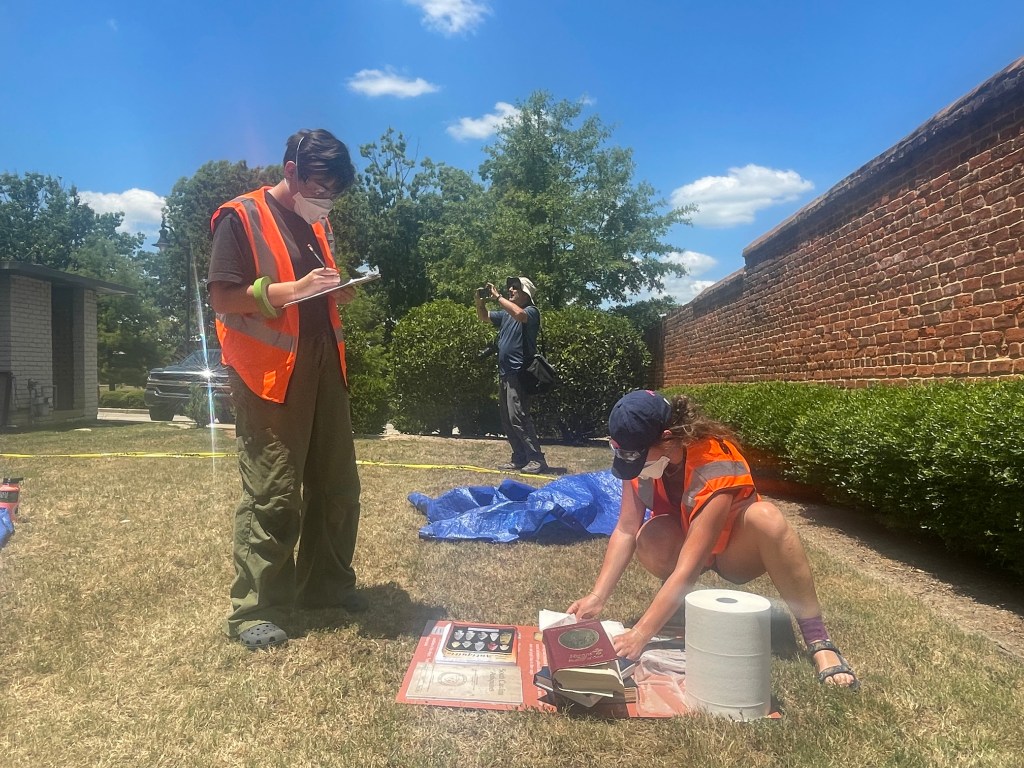
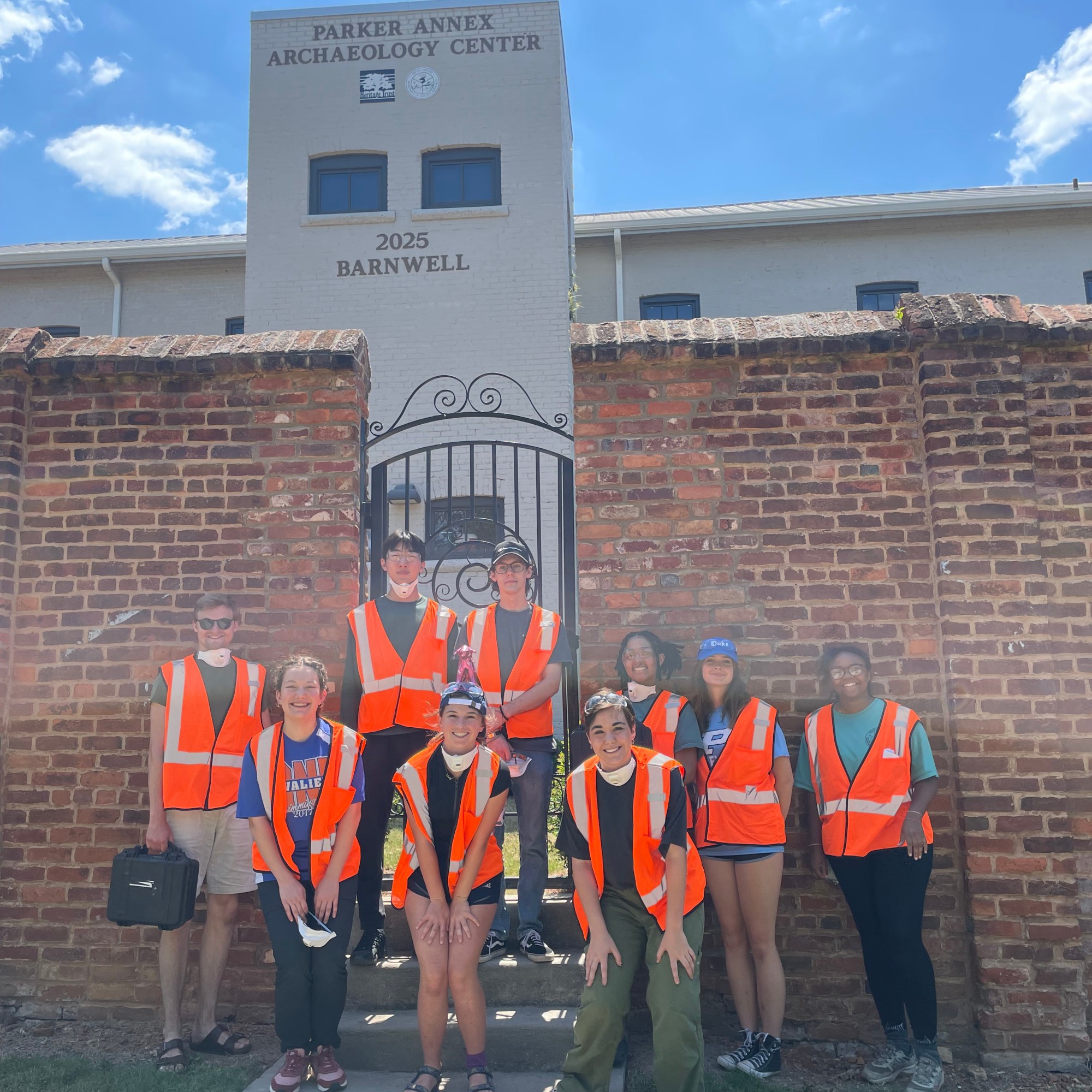
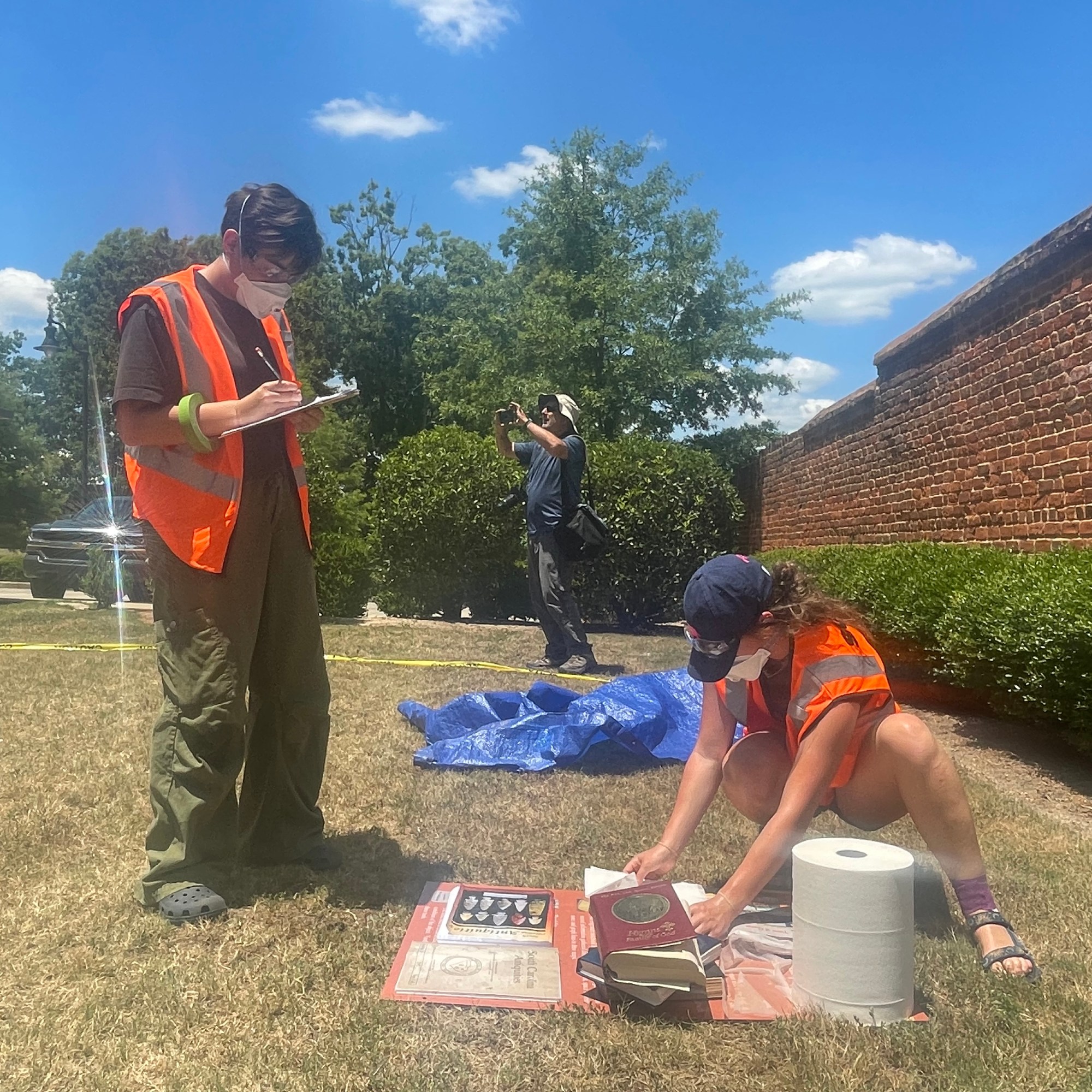
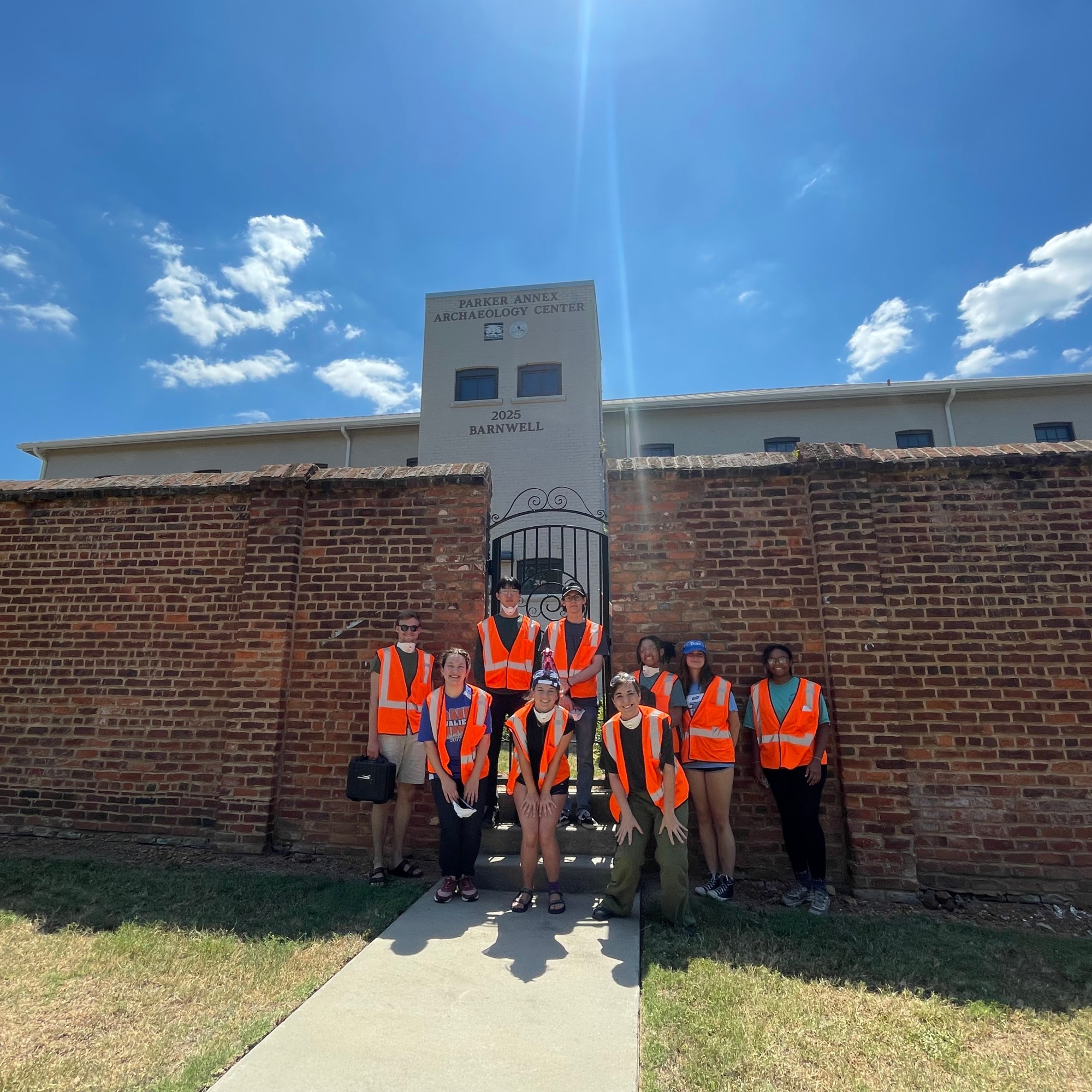
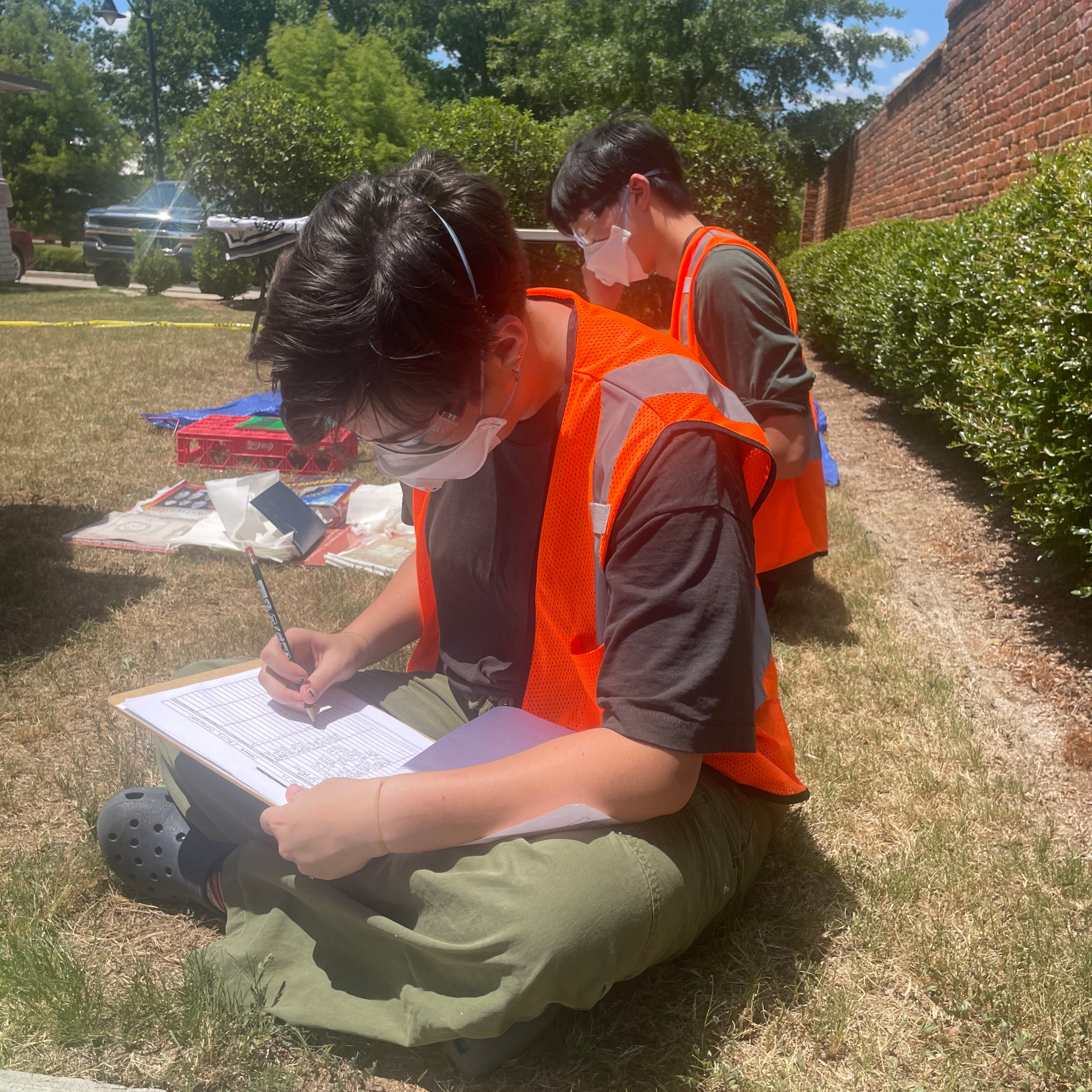
Note: Photos that can be used for this article include those taken during the interns’ Disaster Recovery Workshop at SCDNR’s Parker Annex Archaeology Center. During this workshop, interns learned how to recover cultural materials (e.g., artifacts, documents, photographs) damaged during a hurricane scenario. Similar recovery and documentation methods are used by cultural resource professionals documenting damage to cultural resources in times of war.
The preservation and conservation of archaeological sites and artifacts in times of war is crucial for keeping cultural heritage safe, promoting cultural diversity, and maintaining human history. By protecting these invaluable remnants of ancient civilizations from decay, destruction, or looting—such as entire cities, temples, tools, and artworks—it is ensured that these artifacts remain accessible for future generations, providing tangible connections to the past and facilitating opportunities for research, while also preserving tangible links to history and fostering cultural identities through the integrity of these artifacts, thereby providing invaluable resources for study and education (UNESCO, 2023). Additionally, the effort of preservation fosters cultural identities for the communities tied to these archaeological findings. Preservation and conservation also promote tourism and economic development and encourage environmental stewardship, helping broaden the benefits of heritage management. Ultimately, the preservation and conservation of archaeological sites and artifacts is an ethical commitment to respecting and safeguarding shared heritage, enriching and educating contemporary and future societies alike.
During the time of my internship, I found the presentation by Nathan Betcher (Integrated Resource Program Manager at Reconstruction Era National Historical Park and Heritage Preservation Officer in the U.S. Army Reserve) on protecting cultural heritage during conflict of great interest to me. His presentation prompted me to research this area further. His insights on preservation strategies and the role of international cooperation were particularly insightful. As an example, the ongoing Russo-Ukrainian War, which began in 2014, has had numerous consequences for Ukrainian cultural heritage and preservation. Historical sites, museums, and archives have suffered damage from military actions or deliberate targeting, leading to the destruction of artifacts, increased looting, and the loss of historical records. Moreover, the ongoing conflict has severely disrupted archaeological research in Ukraine, therefore posing significant challenges to its rich cultural legacy (Shydlovskyi, Telizhenko, & Ivakin, 2023). In response to these dire challenges, a good number of initiatives have been launched, aimed at mitigating destruction and saving the cultural heritage of Ukraine. Organizations and institutions have been steadily monitoring sites, documenting the extent of destruction, and salvaging whatever can be salvaged. International cooperation has prevailed through this process—perilous assistance in search of conservation and emergency operations was received from UNESCO and other foreign organizations. Furthermore, efforts have focused on their digital preservation through digitization of cultural and archival material for the preservation and sustenance of access to the same.
The 1954 Hague Convention for the Protection of Cultural Property in case of armed conflict, an essential agreement in global law, is the decree which outlines the prevention and conservation of the cultural legacy of nations amidst war. In the lines containing the mentioned facts, the task force commissioned to recover and save the cultural products emerged also emphasized the crucial contribution and cooperation of the scientists across several disciplines. In the context of the Russo-Ukraine war, wartime archaeology plays a critical role in documenting war crimes and the violation of human rights. Archaeologists work along with individuals such as forensic experts and human right organizations to record evidence that may serve as documentation in international trials for the destruction of cultural heritage (Sokil, Syerov, & Boiko, 2024). This interdisciplinary approach not only aims to uncover historic truth but also seeks justice and accountability for cultural damages. Despite the challenges posed by the continuing conflict, archeologists persist in the effort to preserve and protect Ukrainian cultural heritage.
UNESCO. (2023). 7 successes of UNESCO's preservation work. Retrieved July 9, 2024, from https://www.unesco.org/en/cultural-heritage-7-successes-unescos-preservation-work


Shydlovskyi, P. S., Telizhenko, S. A., & Ivakin, V. H. (2023). Archaeological monitoring in war-torn Ukraine. European Journal of Archaeology, 26(1), 150-168. https://doi.org/10.1080/17567505.2023.2209835


Sokil, M., Syerov, Y., & Boiko, V. (2024). From destruction to digitization: Safeguarding Ukraine’s cultural and archival heritage in wartime. In Data-Centric Business and Applications (pp. 253–280). https://link.springer.com/chapter/10.1007/978-3-031-59131-0_12 Accessed 25 June 2024.
 SCDNR Blog