
By Sarah Neill, SCDNR Archaeology Intern
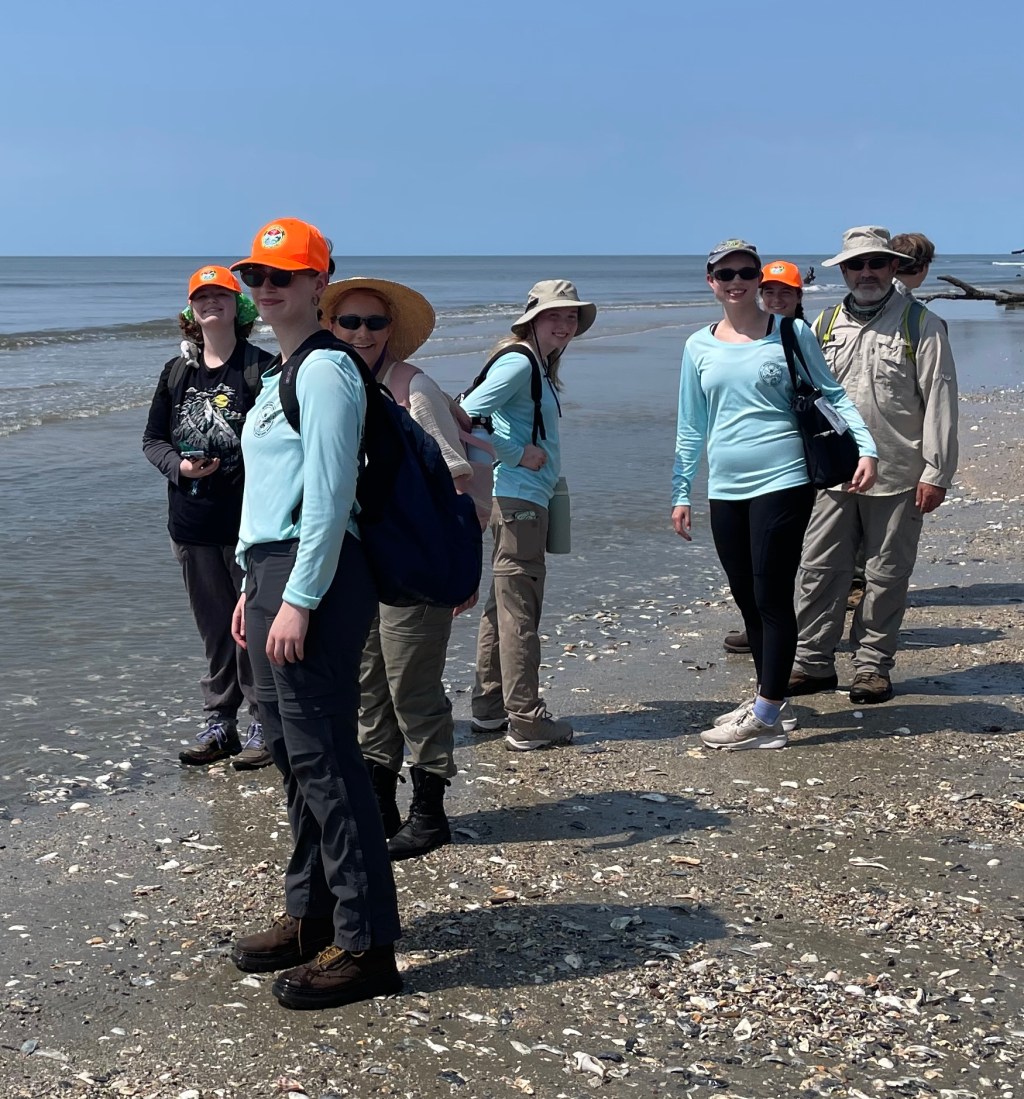
I began my internship at SCDNR eager to get out in the field. As a new college graduate, the prospect of resume-worthy experiences lit a fire beneath me, and my dream of becoming a professional archaeologist seemed more achievable than ever before. However, a week into the program, my grandmother passed away. Abruptly, my plans came to a halt.
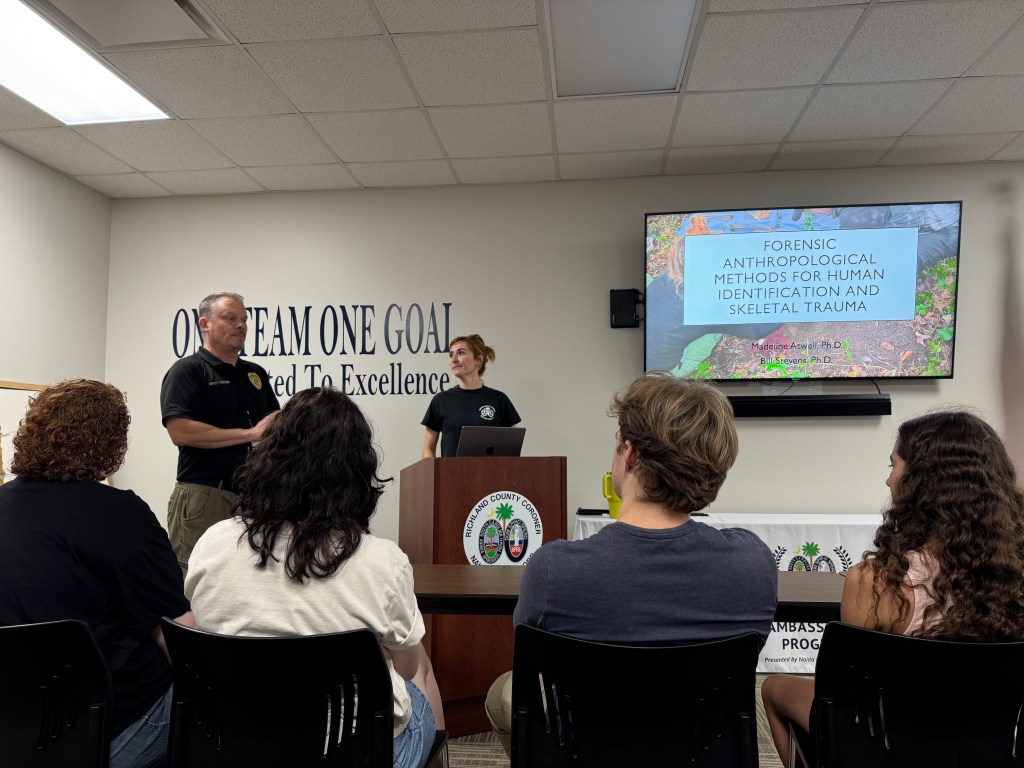
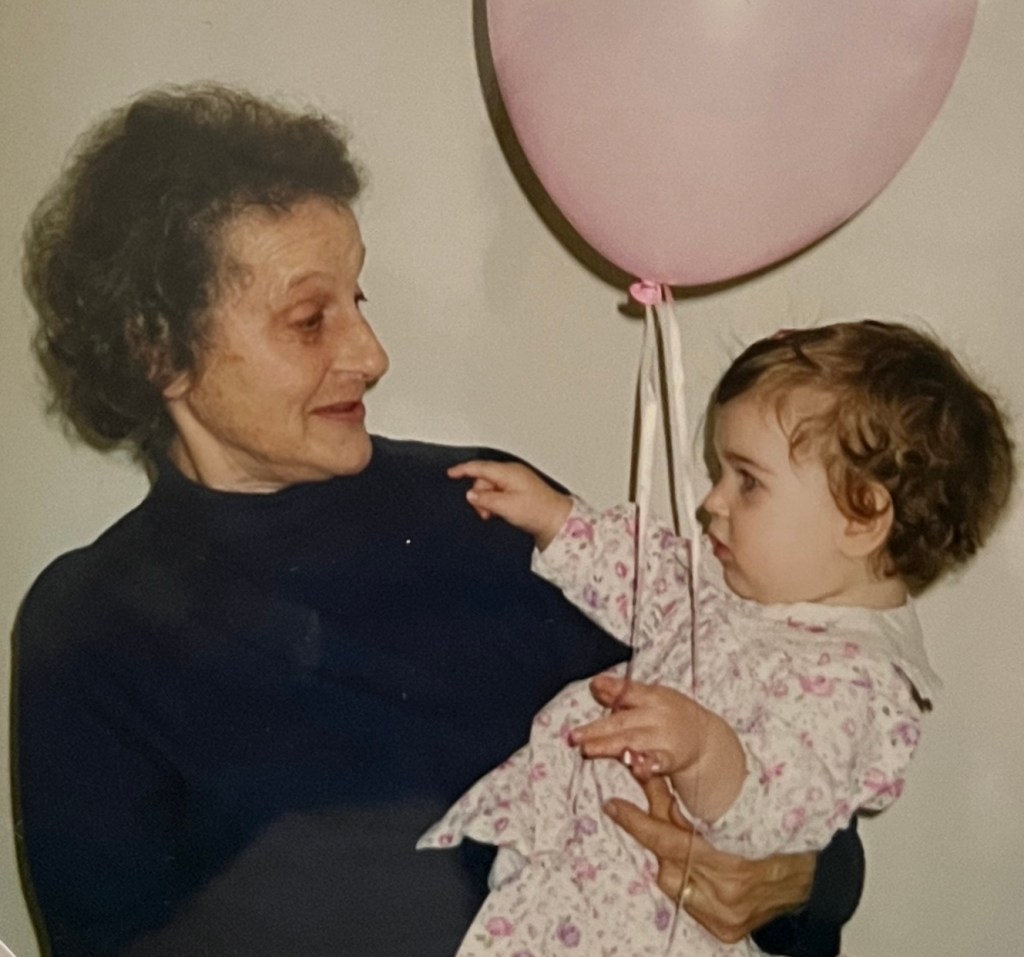
My grandmother raised my sister and I while my parents worked, and she devoted her time to fostering our interests. She would often take me to my favorite museum of anthropology, where I was first introduced to the field that I would later pursue in my college career. Her influence led me to the field of archaeology, and ultimately, she was the reason I stood amongst the SCDNR archaeology internship cohort. Five days after my grandmother’s passing, the interns toured the Richland County Coroner’s Office and spoke to the forensic anthropologists on staff. As I stood in their lab, among the stainless-steel tables and containers of carefully stored remains, I felt an overwhelming sense of responsibility to do right by the people who can no longer speak for themselves. With a lump in my throat, I imagined my grandmother among the unidentified persons, and I thought of the families who may never know the fate of their loved ones. Although morbid, I went home with a newfound appreciation for the field I was pursuing as well as a reason to keep moving forward.
Archaeology provides an opportunity to understand and advocate for those who came before us. Even still, archaeological research often becomes a priority at the expense of the people we are meant to serve, and cultural objects are sometimes torn from their human origin. Throughout the internship, we learned how the Native American Graves Protection and Repatriation Act (NAGPRA) can be used to counteract this. By federally enforcing the return of Native American ancestors and their sacred items back to their descendants, NAGPRA can reinstate autonomy to federally recognized tribes. However, after speaking to tribal members of the Muscogee Nation, we learned that the disturbance of graves and sacred items inflicts damage that cannot be undone through repatriation. The act of removing soil around Native American ancestors and their items can be harmful to the soul of the deceased. Archaeology is an inherently destructive science. Once a site is excavated, it is permanently altered. For this reason, the consultation, collaboration and consent of descendants should be prioritized throughout the research process.
With the death of my grandmother still fresh on my mind, these points became deeply personal. Archaeology is a field driven by research, but it should be guided by human compassion. We have an ethical responsibility to care for the lives that we study, and we cannot fulfill that mission without respecting and listening to their living descendants. Moving forward, I hope to connect people through my research and to do right by the people I represent in my work. After all, it’s what grandma would have wanted.
 SCDNR Blog
Leave a comment