
By Kate Watson, SCDNR Archaeology Intern
Coming into this internship with the South Carolina Cultural Heritage Trust Program (Archaeology team) I had absolutely no idea the impact museums’ reliance on visual stimuli could unintentionally exclude certain visitors. When I went to a museum as an individual that wasn’t blind, I was fine with everything being behind glass. I could see everything clearly, but this internship has shown me how exclusionary this thinking is. Because of this reliance on eyesight, people who do not have the same capabilities cannot fully enjoy or learn from the museums which aim to educate.
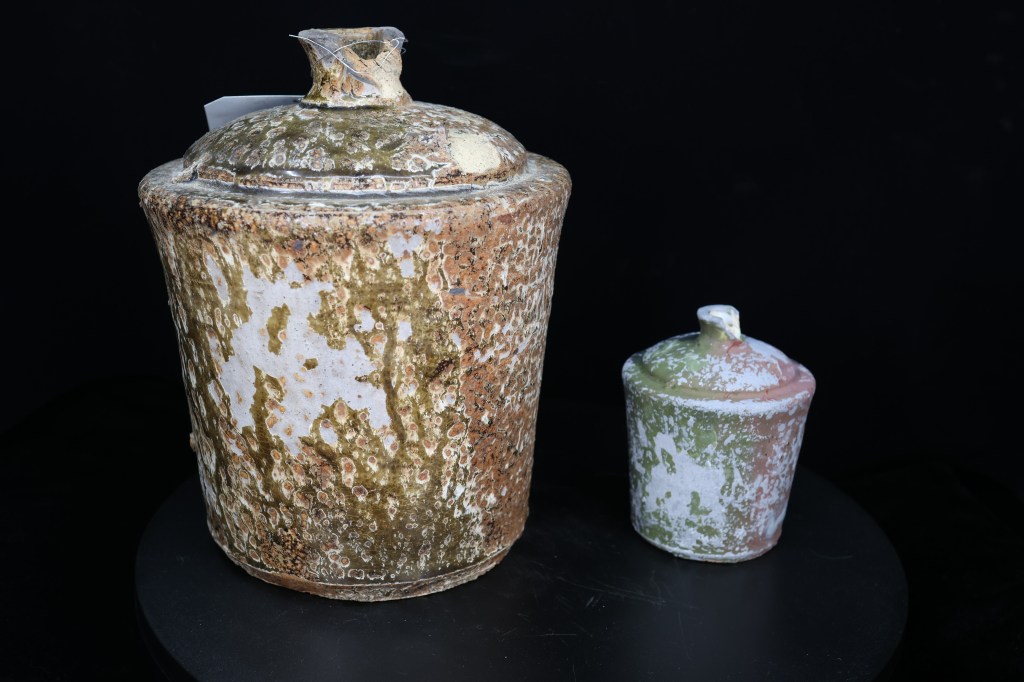
I was very interested when SCDNR archaeologist Meg Gaillard gave me a project on how photogrammetry could be used to make museums more inclusive environments. I had no idea what photogrammetry was before this, but through helpful instruction and support, I was able to produce a 3D model of an Edgefield vessel using this technique.
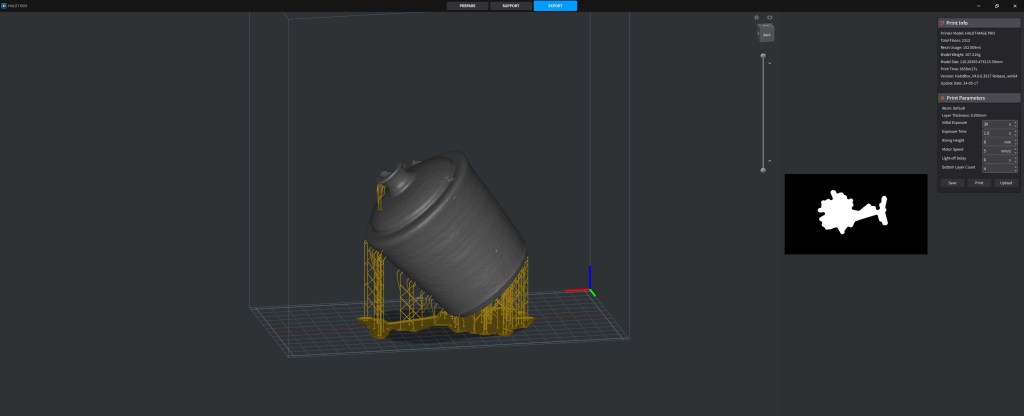
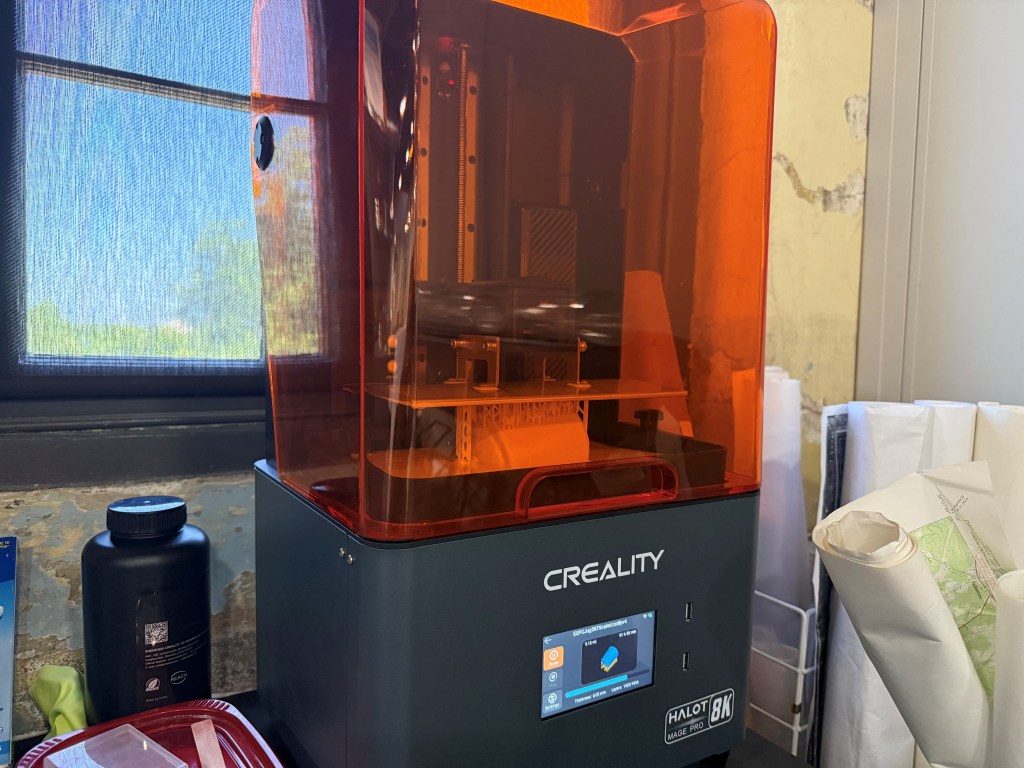
We then used the model to print the vessel in 3D.
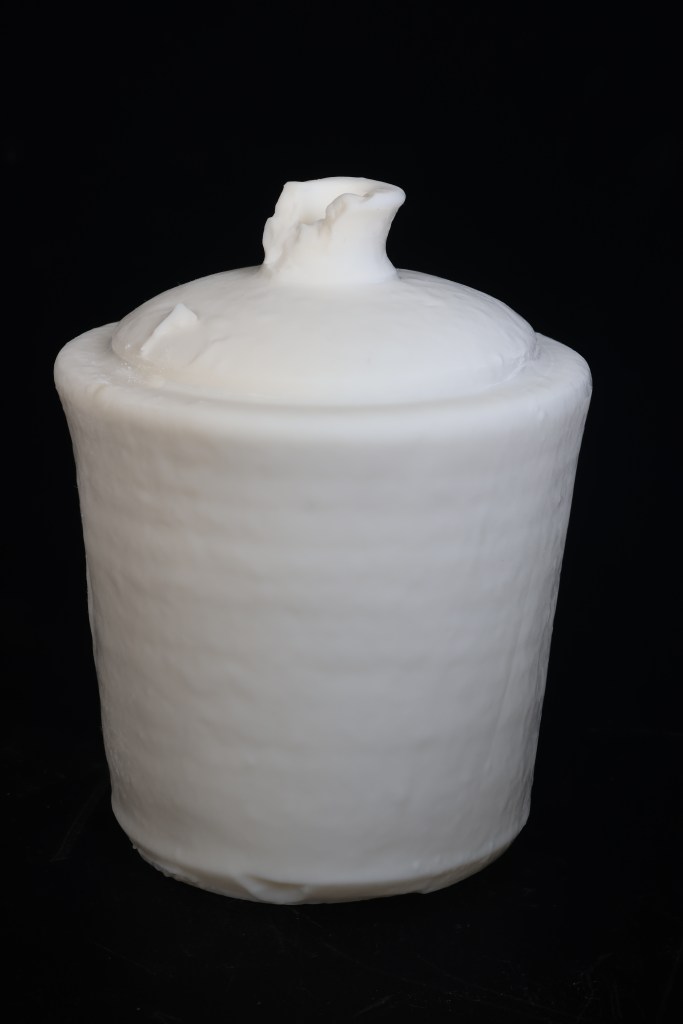
My favorite part of this process was when I was able to paint the replica. I used the online model as a reference and painted the pot to the best of my ability. It was a lot of fun as I had never gotten to do something like this before, and I was able to try new techniques like using aluminum foil instead of a paint brush to make the markings on the pot more similar to the real one. The most satisfying part was blending the different paints to make an ombre effect on the piece that mimicked the original.
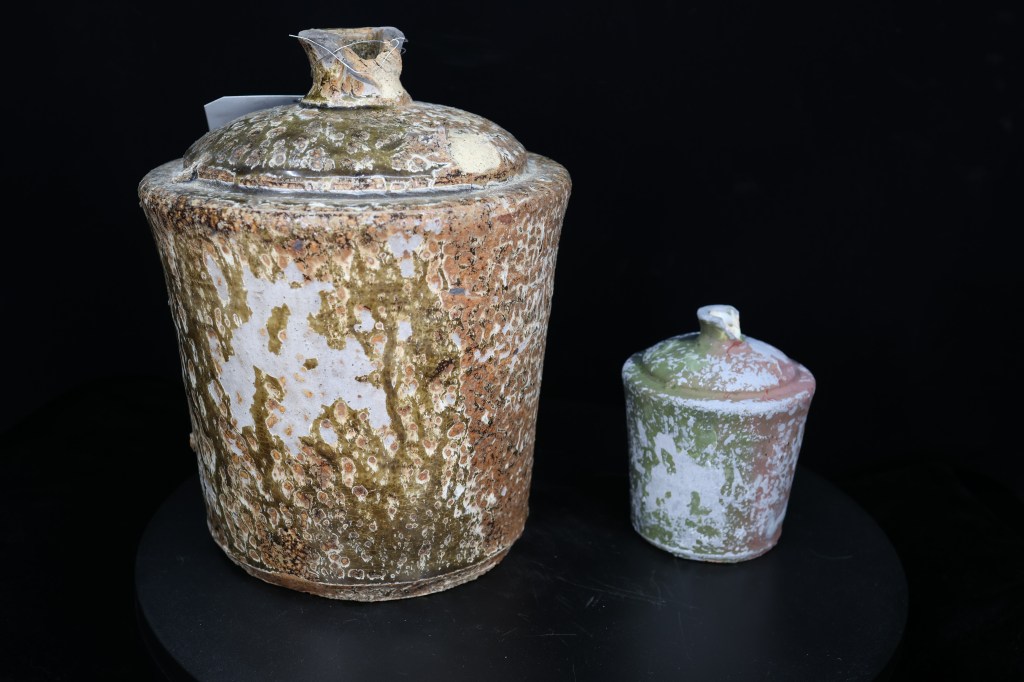
When I was given professional research articles to read on the topics of accessibility and visualization, I was a little intimidated but soon I realized the articles raised many other points I had not thought of before. I connected a lot with the idea that the use of haptic perception, or using senses besides sight, could help to forge more solid bonds between the public and their history. The benefits of photogrammetry were not just limited to certain groups of people but instead were beneficial to everyone. I understood the power of this immediately as I held my own 3D printed copy of the pot. I felt more connected as I was able to feel the ridges of it and all the imperfections that made it unique. The more I read, the more I saw the benefits. I read about studies that found a higher retention rate of information and experiences among people who were able to use haptic perception over those who were forced to only see the artifacts. I found it insane how clear the differences were and how much of a difference haptic perception can make for everyone.
Even when I was told about how exclusionary museums were, it did not truly sink in until we, as a group, went to a museum. With the knowledge I had learned, I kept an eye out for any steps to inclusion the museum might add or adapt. After, I had a conversation with Meg about inclusive improvements museums can make for the Blind community and other groups with disabilities. We talked about how there are frequently limited tactile signage or audio readings, how there are barely any interactive exhibits, and how all of this is partly due to the age of the exhibits and limited budgets. Some exhibits were installed before the Americans with Disabilities Act (ADA) was signed into law in 1990. At first, it was a little disheartening to see, but it helped increase my interest in how photogrammetry could be used to change the future of museums for the better.
Through other conversations, I was excited to learn of other ways photogrammetry and tools like it could be used for inclusion and even repatriation. Through conversations about the British Museum, I learned about how museums could use photogrammetry and other techniques as a way to retain replica objects and educate a wider audience. This also allows other countries to have their cultural items and artifacts back.
I have been so happy to be able to take this internship, and through it, I have learned so much. I am excited about the possibilities photogrammetry holds for archaeology and would be more than happy to learn and explore even more of what it has to offer. I feel as though I will always be more aware when visiting museums, how they comply with ADA, and what they could do better. It has changed the way I view the future, and I know it will change others’ perceptions too!
 SCDNR Blog
Leave a comment