
By Sarah Neill, SCDNR Archaeology Intern
As a public outreach intern for the South Carolina Department of Natural Resources (SCDNR) Archaeology team, I had the privilege of speaking with thousands of South Carolinians at festivals and events across the state. Through these interactions, I learned how meaningful archaeology is to the people who live here. In South Carolina, archaeology is entwined in everyday life. From hunters who stumble upon precontact period stone tools, to families that discover historic pottery sherds buried in their backyard, evidence of South Carolina’s complex history lays just beneath the surface in every corner of the state. Because of this, it is our goal as public outreach archaeologists to provide resources that teach the importance of cultural resource laws, how and when to call a professional, and tools for identifying artifacts.
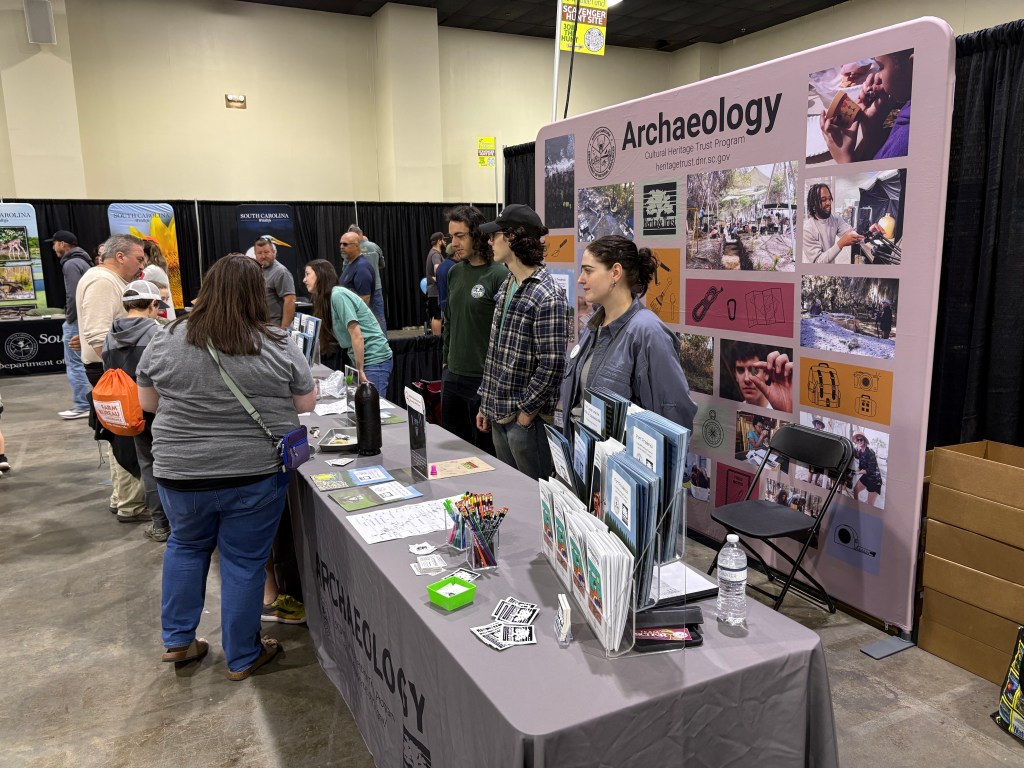
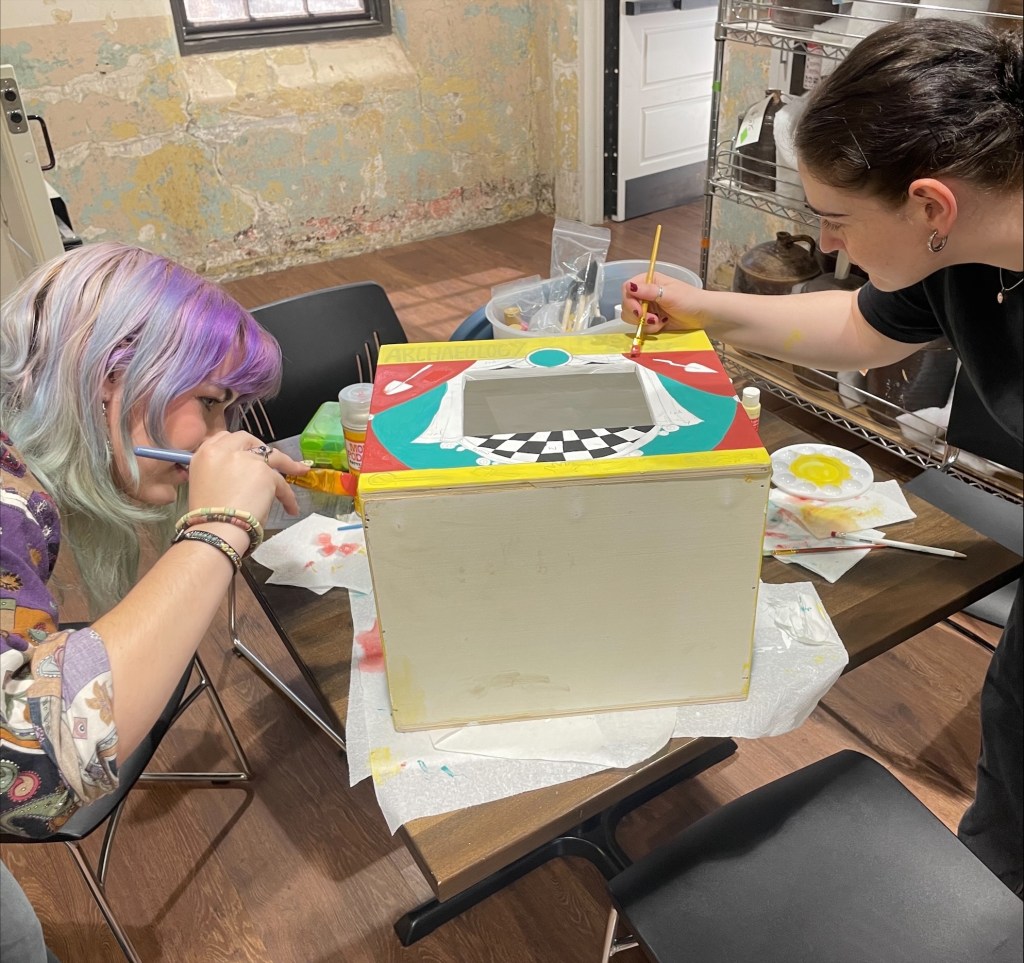
The SCDNR Archaeology team provides public outreach activities at festivals and in the classroom that ask participants to use their sense of touch and sight to learn basic principles of archaeology. Some of these activities include the Archaeology Mystery Box where participants guess archaeology tools by touch, or 2D magnetic pottery where participants re-fit pottery puzzles by sight. And my personal favorite, 3D printed artifact models that allow participants to hold replicas of fragile artifacts. Through these activities, we can create an open conversation about the field of archaeology and what it means to protect the heritage of Palmetto State.
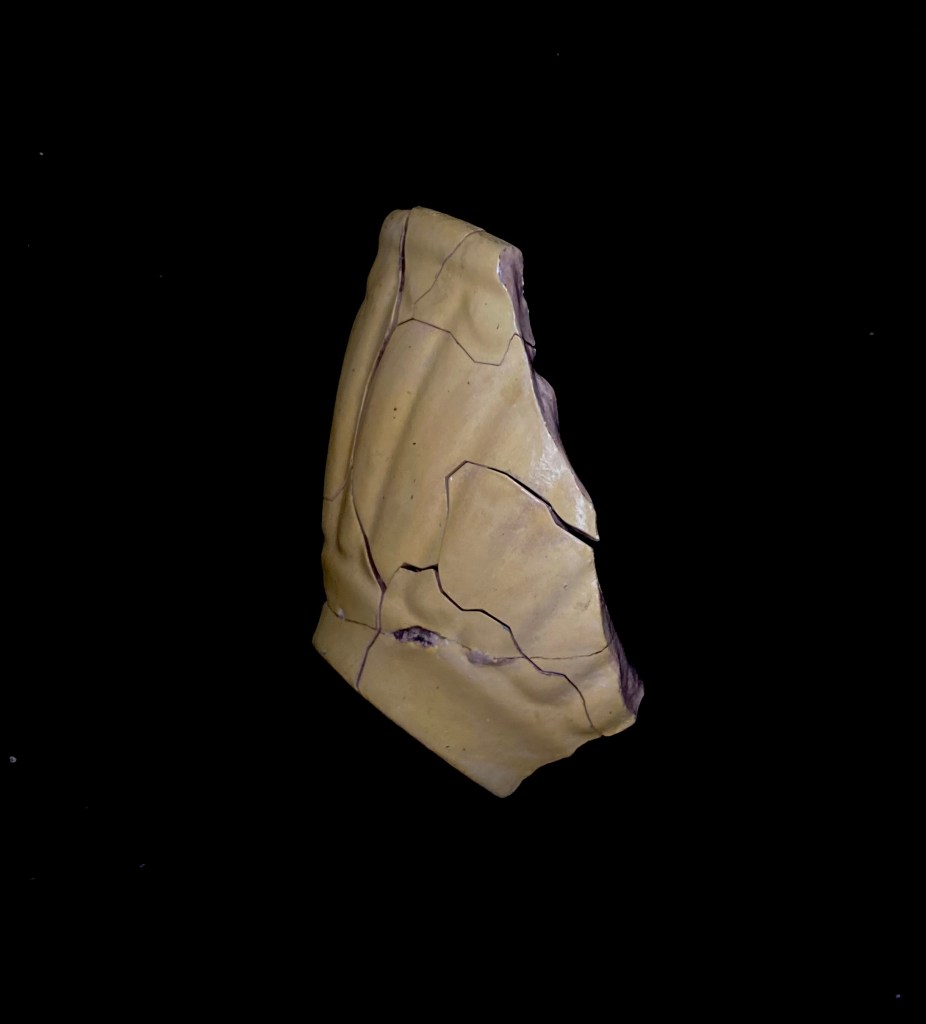
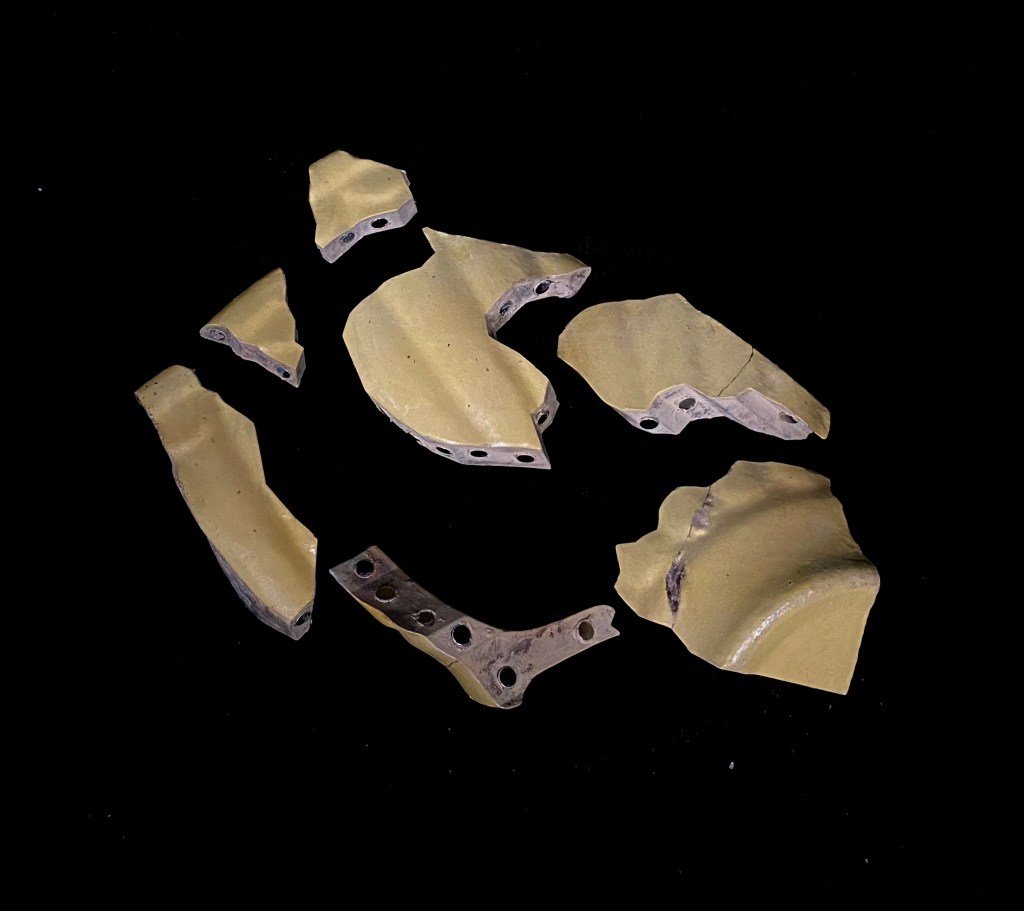
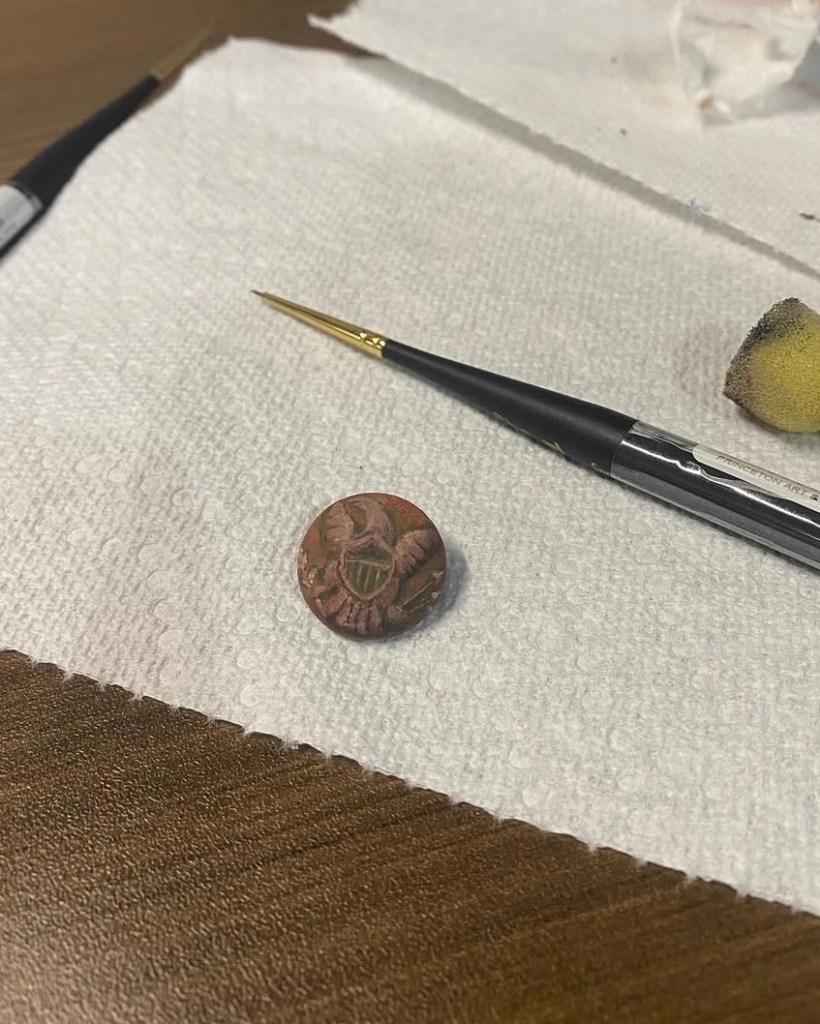
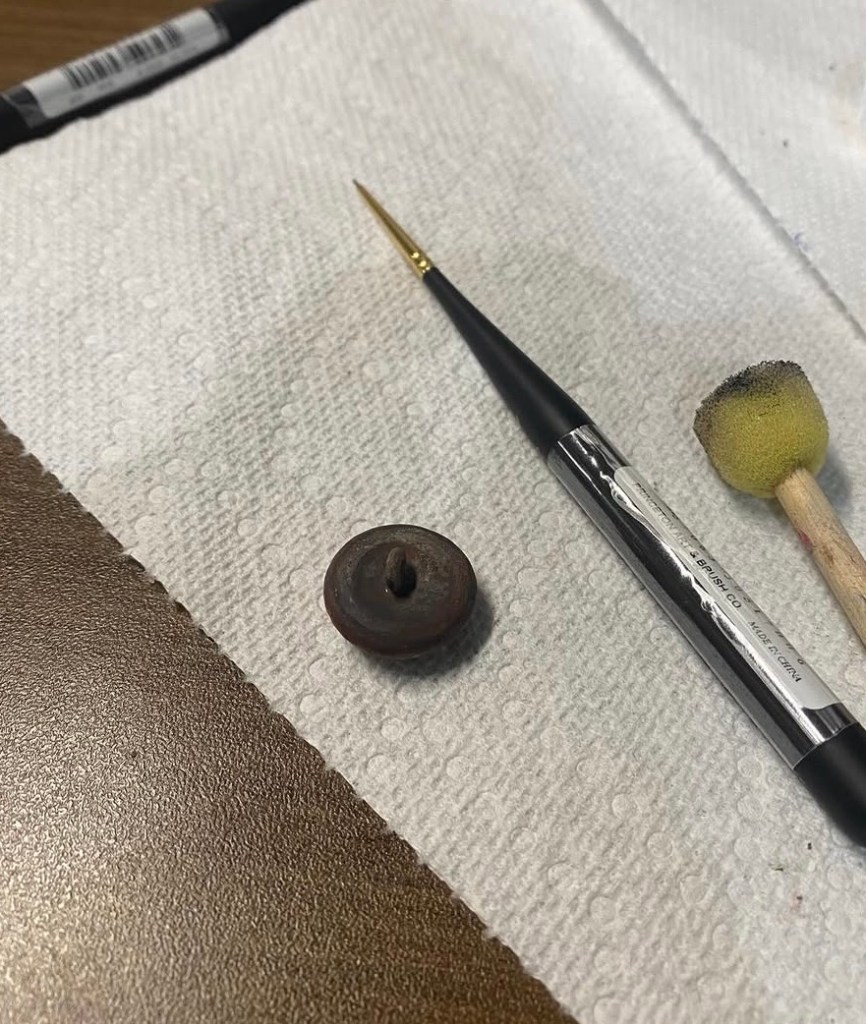
Creating a 3D model of an artifact begins by capturing a photographic scan. Hundreds of photos are strategically taken from every angle of each artifact. These photos are rendered and stitched together using special software to form a 3D model of the artifact and subsequently, sent to our 3D printer. In just a few hours of printing, we are left with a blueish-grey resin model that emulates the actual size, surface, and shape of the scanned artifact. After printing, we paint each model, working hard to match the colors and textures of the real artifact. Charles Scarborough, SCDNR archaeologist, leads these projects and is responsible for creating hyper-realistic models that are both interactive and educational. Our 3D model of an excavation unit dug at Pockoy Island, located on Botany Bay Heritage Preserve/Wildlife Management Area, helps us explain archaeological methods in the field. And our models of historic ceramic that are held together by small magnets, provide a hands-on example of how ceramic sherds are mended in the lab. These models not only inspire dialogue but also provide accessibility to individuals that rely on their sense of touch. 3D artifact models present an opportunity to hold artifacts that would otherwise be displayed behind glass, and overall, they allow a wider audience the chance to connect with what we do. Because archaeological field work is typically conducted in remote areas of our Heritage Preserves, we understand that not everyone is able to access our site tours or participate in volunteer opportunities. This is why we aim to expand our collection of 3D models and continue to find new ways to bring archaeology to you.


Leave a Reply