
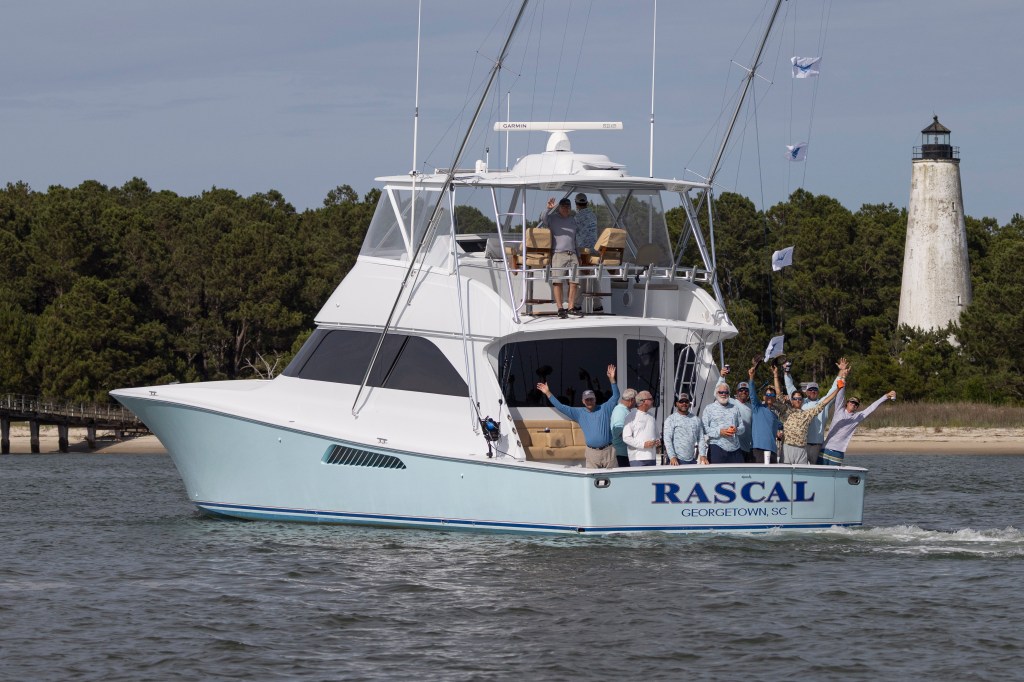
Certain captains are simply built for winning, for remaining focused and competitive no matter how close the finish. They’re unshakeable. Analytical. Measured. Interestingly enough, some of those same captains happen to be terrible winners. That’s not to say they lack the sportsmanship or humility we like to see among competitors. In fact, it’s the very opposite. They seem uncomfortable with the fanfare, perpetually embarrassed by the limelight – the flashing cameras, the celebrations, the calls and texts. Rascal’s Capt. Mark Rogers is undoubtedly one of them.
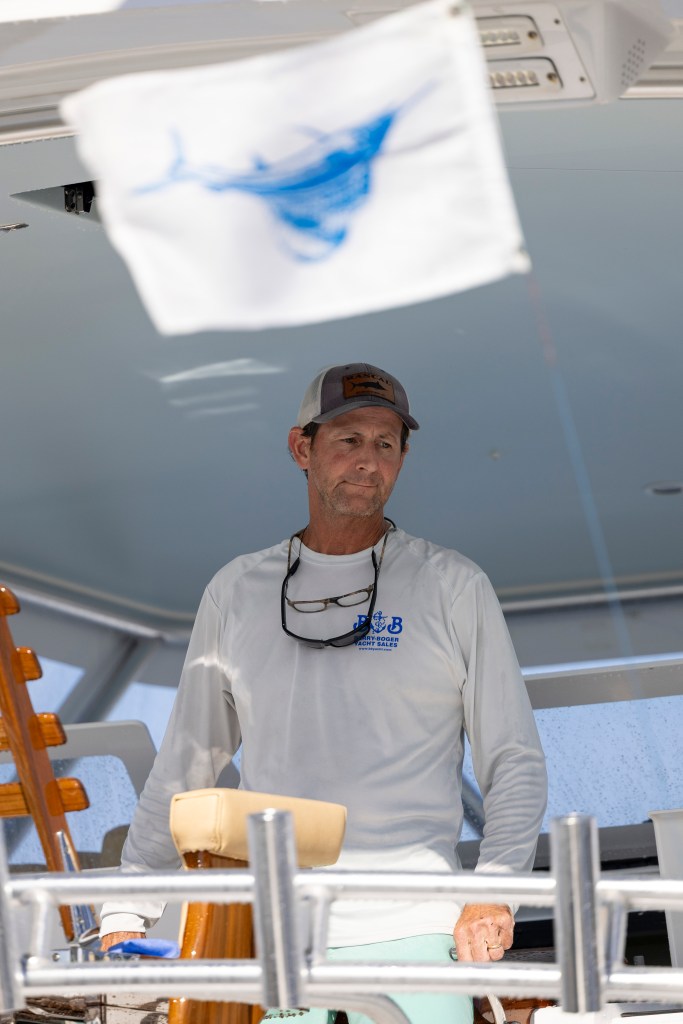
Although he might feel some discomfort at center stage, the captain’s had plenty of practice. Rogers and the Rascal have racked up countless accolades over the years, including many podium finishes, two Series wins, and the longstanding South Carolina state record for blue marlin, an 881-pound fish landed in 2005. Rascal is one of South Carolina’s most formidable local programs, and certainly one of its most tenured too. The boat has been a fixture in Georgetown, South Carolina, since the mid-nineties.
Rogers first took the helm in 1995. At the time, the boat was a 41-foot Hatteras. A few years later, owner Norman Pulliam opted for a larger build and purchased a 50-foot Hatteras. Pulliam and Rogers fished that boat for decades, earning Series titles and boating huge blues. Their success on that boat built Rascal into a legacy.
Foster McKissick, who had been a regular aboard the boat, partnered with Pulliam as a co-owner of the Rascal over a decade ago. While the two men shared expenses, they still left much of the decision-making up to Rogers.
“They have both been good to work for,” Rogers says. “They’ve always respected the crew in whatever decisions we make as far as maintenance and fishing.”
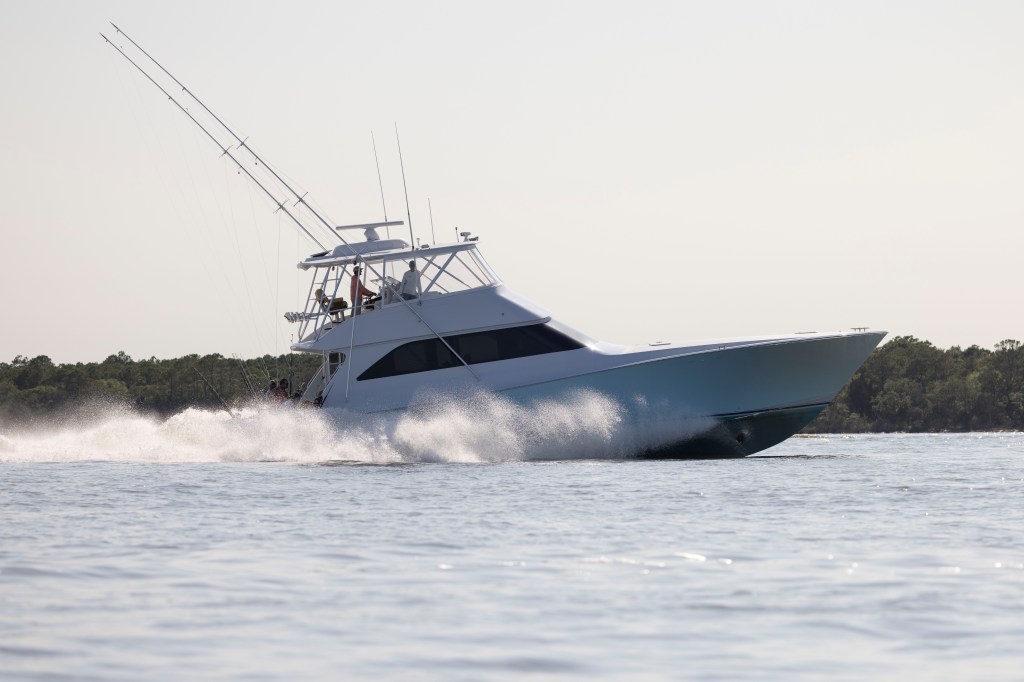
After many years competing aboard the 50-foot Hatteras, Pulliam and McKissick sold the boat in 2018. McKissick then bought the 61-foot Viking we all know today as the Rascal. They’ve had banner days aboard that build, but none quite as exciting as last Saturday, the final day of the 58th Annual Georgetown Blue Marlin Tournament hosted at Georgetown Landing Marina.
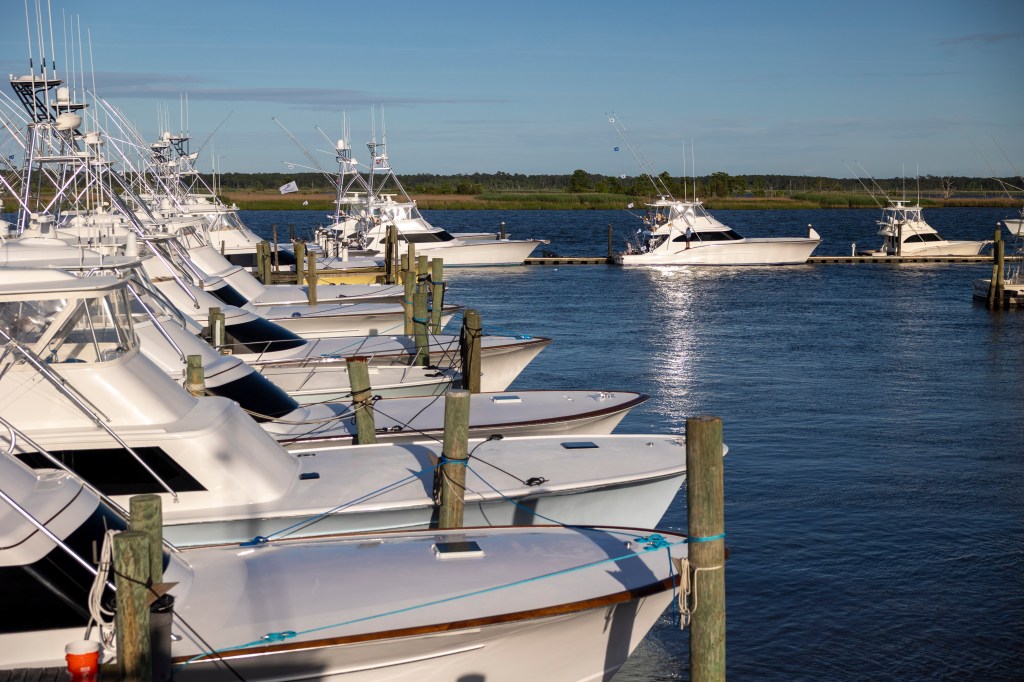
The Georgetown Blue Marlin Tournament, which is typically the largest leg of the Series, hosted 56 boats this year. Crews from various ports across the East Coast showed up to fish the event. It’s the longest running billfish tournament in the state, so a win in Georgetown comes with no small measure of prestige. It’s a title many captains and owners want to carry; an accomplishment built on the backs of South Carolina’s sportfishing legends and pioneers. A win in Georgetown means a great deal to those who understand and appreciate that rich history. And who could better value all that tradition than a program that calls Georgetown home?
Like many of South Carolina’s most notable captains, Rogers first got his start in Georgetown. “I started fishing quite young,” Rogers says. “I went with my father on various boats out of Belle Isle Marina. By 15 or 16 years old, I was riding or mating on any boat in Belle Isle that I could get on. In the late 80s, my father got me hooked up with Dean Dawson fishing on a 31-foot Bertram called Pawley Girl that he had completely refitted. I spent a lot of time on the boat and ran it when Dean didn’t go. My time on the Pawley Girl, as well as with Miles Herring aboard the Herring family’s Lolligag and various charter boats, got me to 1995, when I started working for Norman.”
Rogers wields a quiet wit, a dry disposition accented by a slight smirk and a playful glint in his eye. He’s got a quick yet deadpan sense of humor. When we once asked him why he likes fishing, he looked to the weather forecast and replied, “I will answer that after my a** whippin’ at sea tomorrow.”
When it comes to fishing, he’s about as methodical as it gets. Other captains know that of him. He doesn’t simply question if the fish are there. Rogers focuses on the why.
“As a captain, Mark is very analytical in his approach to everything, carefully evaluating and making decisions to put the team in the best position to compete,” says Wes Frierson, a longtime angler aboard Rascal and the Chair of the Gov Cup’s Advisory Board of Directors. “He leads with confidence, prepares with discipline, and serves with humility. His experience and knowledge earn and keep the respect of those that fish with him. Off the water, he is equally as impressive – a loyal friend whose character, humility, and willingness to help others have made a lasting impact on everyone fortunate enough to know him.”
Rogers hasn’t just earned the respect of his crew. He’s regarded as a commendable talent and honorable man by his entire community. This year he was named the recipient of the Daymaker Award, a special recognition established by captains to honor the life of the late Mark Daniels, a Georgetown legend in his own right.
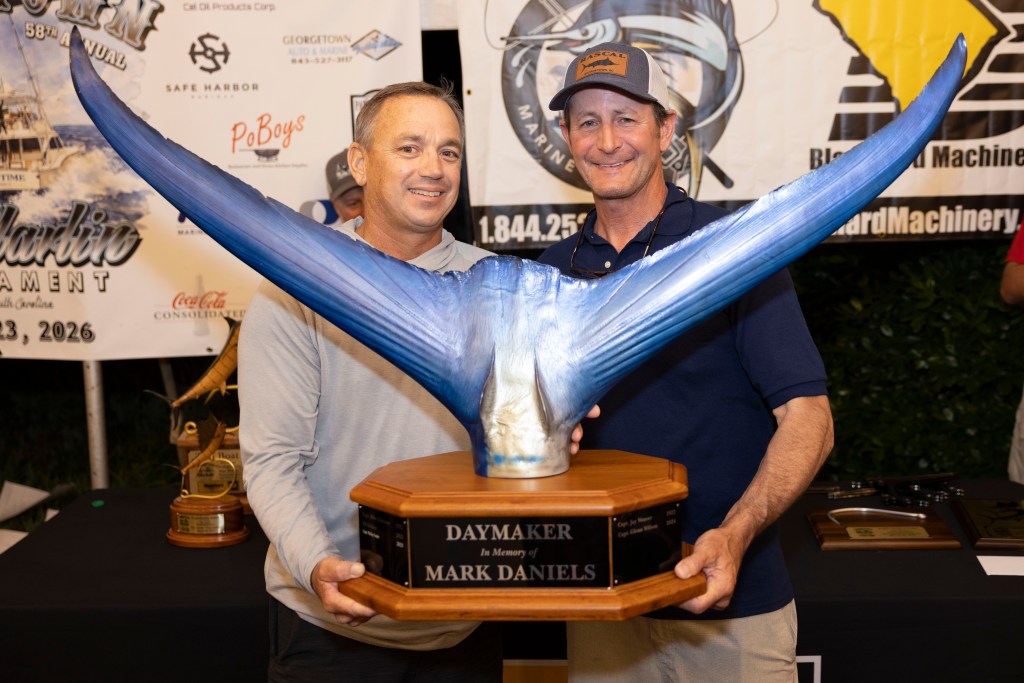
Just a few minutes away from where his mentors had molded him into the man and captain he is today, Rogers set out with the Rascal team on the first day of this year’s tournament. Douglas Miller, who Rogers dubs with names like “right hand man,” “first mate,” and “deck boss,” has been leading Rascal’s cockpit for over 20 years. The two men know each other well. They even look a bit like each other, perhaps brothers just as much as they are best friends and teammates.
Rogers and Miller were joined by McKissick, Wes Frierson, Chappell Miller, Pearce Scott, Corey McMahon, John Lumpkin, Graham Rogers, Jeepy Ford, Jeff Boger, Stan Halliday, and Ric Byars. Many of these names have been affiliated with the program for decades. Chappell Miller (Douglas’ son and one of the boat’s mates) and Graham Rogers (Mark’s son) grew up on the deck of the Rascal. There’s a tremendous familiarity among this crew and they were ready to go to work.
Satellite shots of the Gulf Stream had shown some unusual patterns leading up to the tournament. Eddies had formed the Stream into something of an S shape along South Carolina’s coast. By the time the tournament started, and the Gulf Stream had normalized, an eddy about 100 miles to the South seemed to be holding fish. While some boats opted to make the long run to that eddy, where teams had gotten bites in the days before, Rogers chose to stay further North.
On the first day of fishing, Rascal released a blue marlin and two sailfish. Rogers and his team were still in the mix, but they’d have some ground to cover to take the lead. They’d have to shake the mistakes and misses from Day 1. It was time to tighten up. As the dawn crept across the cloud-dotted horizon that final morning and lines went into the water, the Rascal crew did not disappoint.
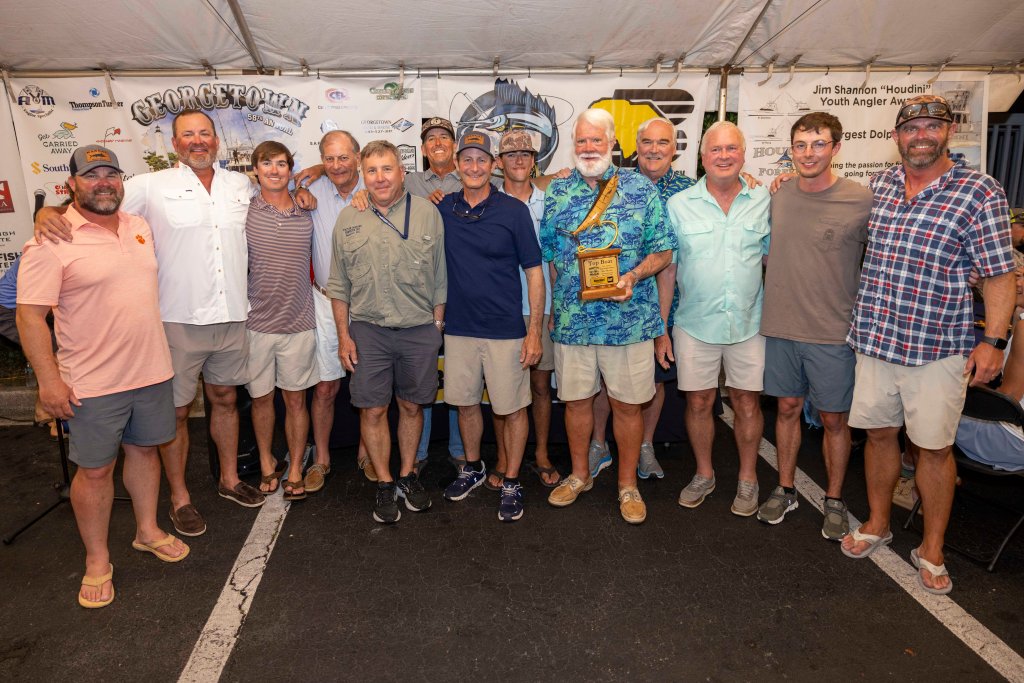
Rascal kicked off the day with a blue marlin bite right around 9 AM. And so began an impressive run, one without a single miss. Picking at the fish throughout the day, including a final sail just before lines out, Rascaltallied a total of one blue marlin release and six sailfish releases, proudly posting a 100 percent average. Chappell Miller, the youngest man on the boat at 20 years old, went four for four. It was a great day for the team, enough to launch them to the top of the leaderboard. For the first time in the program’s 30-year history, Rascal was finally named the winner of the Georgetown Blue Marlin Tournament.
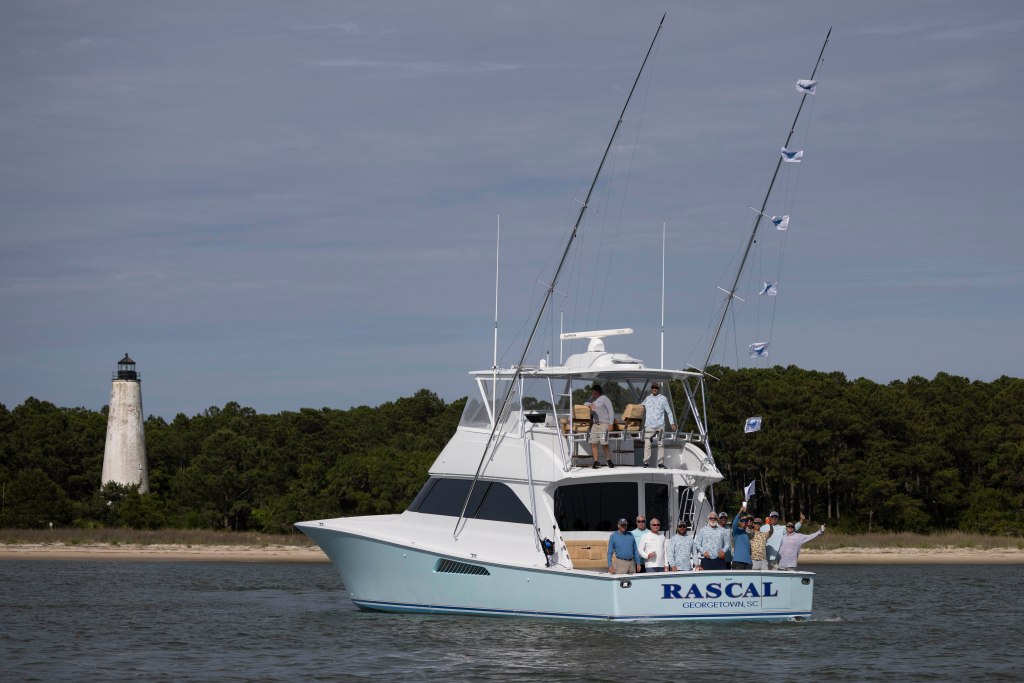
The fleet of 56 boats released a total of 26 blue marlin, 10 white marlin, and 90 sailfish in three days of fishing. Rascal took home the top prize and over $100,000 after releasing two blue marlin and eight sailfish. They’re also now leading the 2026 Series. Capt. Randy Estes and Star Fish finished in second place with two blue marlin and six sailfish to their credit. Claytime, captained by Phillip Fender, won third place with one blue marlin, one white marlin, and seven sailfish.
As the announcer closed out the awards presentation on Saturday evening, he boomed into the microphone, “Let’s give another round of applause for our hometown heroes!”
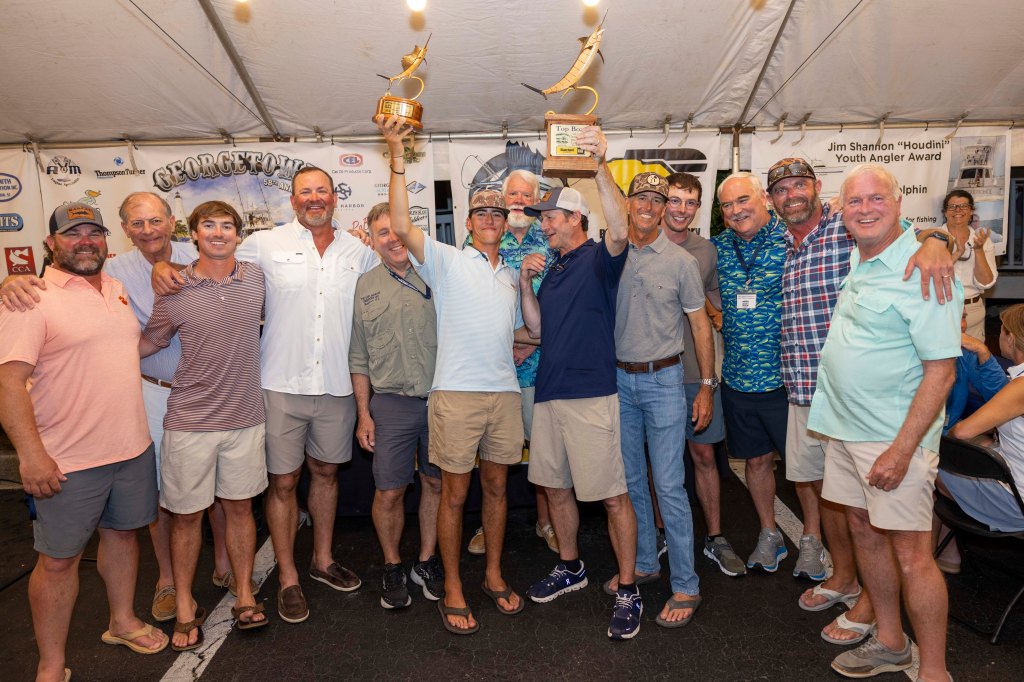
As much as the word hero might embarrass the captain, we have no doubt that it fits and that his late father, a man who propelled his young son into the sportfishing industry, would be immensely proud to hear it.
Congratulations to Capt. Mark Rogers, Foster McKissick, Douglas Miller and the rest of the Rascal team for your heroic performance right at home.
See all winners from the Georgetown Blue Marlin Tournament
Next, we head to this week’s HMY Lowcountry Cup at Toler’s Cove Marina, the third leg in this year’s Series. We can’t wait to see how things play out as we wrap up the busy month of May.


Leave a comment